
A 6-inch LED gimbal recessed light sounds fancy, but it’s just a smart fixture that tilts and rotates inside your ceiling. Unlike fixed downlights that blast light straight down, gimbal units let homeowners aim the beam wherever they need it, across artwork, into a reading corner, or across a kitchen island. If someone’s remodeling a bathroom, updating a kitchen, or adding ambient lighting to a living room, gimbal fixtures solve the “light lands in the wrong spot” problem without rewiring. They’re compact, energy-efficient, and since they use LEDs, they’ll outlast most of the house. This guide covers what to look for, how they compare to fixed recessed lighting, and what install looks like.
Table of Contents
ToggleKey Takeaways
- 6-inch LED gimbal recessed lights feature a tilting mechanism that rotates up to 40 degrees in any direction, allowing homeowners to direct light onto artwork, countertops, or reading areas without rewiring.
- These fixtures consume 75–80% less energy than incandescent recessed lights, reducing annual operating costs from $7–$8 per fixture down to $1–$2 while lasting 25,000 to 50,000 hours.
- LED gimbal recessed lighting sits flush with the ceiling in white, black, or chrome finishes, blending seamlessly into both modern and traditional room designs without drawing attention.
- Installation requires verifying 16-inch joist spacing, checking attic clearance (4–6 inches deep), and confirming IC-rated housing for insulated attics to prevent fire hazards.
- Choose warm color temperatures (2700K–3000K) for ambiance in bedrooms and living rooms, and cool tones (4000K–5000K) for task-focused kitchens and bathrooms.
- These fixtures work in kitchens, bathrooms, bedrooms, galleries, and commercial spaces where adjustable accent or primary lighting is needed without visible track systems.
What Is A 6-Inch LED Gimbal Recessed Light?
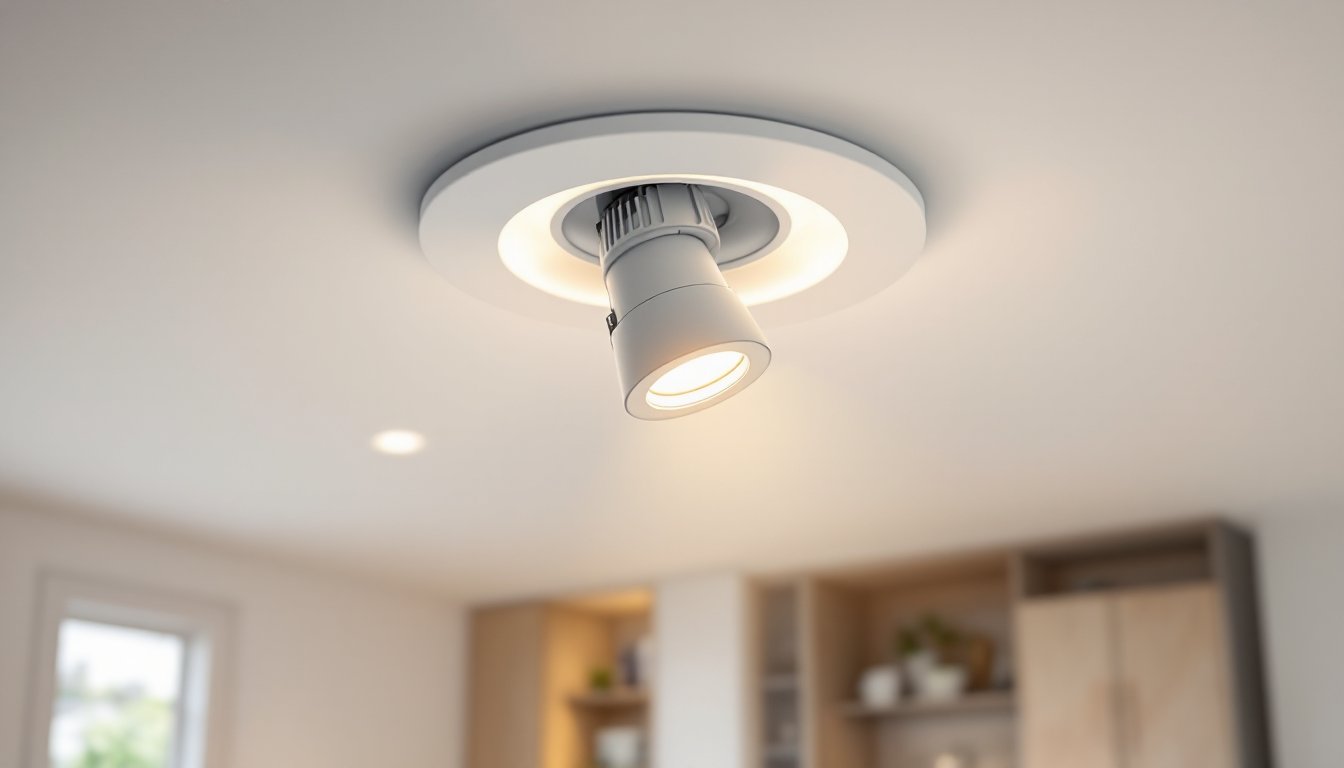
A gimbal is the rotating mechanism inside the fixture trim ring, it’s what lets the light head tilt up to 40 degrees in any direction while the housing stays mounted in the ceiling. The 6-inch measurement refers to the diameter of the trim ring, which is the visible part sitting flush with drywall. This size is considered standard for residential work: it fits between joists spaced 16 inches on center and doesn’t overwhelm a typical room ceiling.
Inside, the fixture houses a dimmable LED module, usually 65–100 watts of equivalent incandescent brightness, and a gimbal trim, which is often finished in white, black, or chrome. The trim ring holds the entire assembly and can swivel and tilt independently. Because these are recessed (mounted inside the ceiling cavity), they sit flush with the ceiling plane, giving a clean, integrated look that fixed downlights can’t quite match.
The LED engine and driver sit inside the trim housing, so unlike older halogen gimbal lights, there’s no heat dump into the attic, no frequent bulb replacements, and no color shift over time. A quality 6-inch LED gimbal from a reputable maker will last 25,000 to 50,000 hours before dimming, which translates to 15+ years for a typical household.
Key Advantages Of Gimbal Recessed Lighting
Energy Efficiency And Cost Savings
LED gimbal fixtures consume 75–80% less energy than equivalent incandescent recessed lights and about 40% less than CFL recessed fixtures. A single 9-watt LED gimbal produces light equivalent to a 60-watt incandescent, cutting annual operating costs from roughly $7–$8 per fixture down to $1–$2. On a kitchen with 8–10 recessed lights, that adds up fast.
Because LEDs don’t generate significant heat, attic temperatures stay lower, reducing summer cooling load. There’s no separate dimmer driver to fail or compatibility headaches: most modern LED gimbals accept standard wall dimmers straight out of the box. Homeowners also skip regular bulb replacement, which saves both money and hassle over 15+ years.
Design Flexibility And Room Aesthetics
The ability to angle light after installation is the real win. A homeowner can position beams to highlight a piece of art, illuminate a kitchen counter while the rest of the ceiling stays neutral, or wash light across an accent wall. This flexibility is especially useful in rooms where furniture layout shifts or where natural light changes seasonally.
Because 6-inch gimbals are relatively compact and sit flush with the ceiling, they blend into modern and traditional room designs alike. Trim options in matte white, matte black, and brushed nickel let them match hardware and fixtures. Unlike pendant lights or track systems, gimbals don’t call attention to themselves, they disappear, and only the light itself is noticed.
Installation And Compatibility Considerations
Installing a 6-inch LED gimbal gimbal is straightforward for anyone comfortable cutting a hole and connecting electrical wire, but there are a few gotchas.
First, verify joist spacing. Standard 16-inch on-center framing means you can fit a 6-inch gimbal between joists. If your ceiling framing is 24 inches on center, you’ve got more room and fewer obstacles. For cathedral or sloped ceilings, check the gimbal’s angle rating, most tilt 40 degrees, but confirm the model spec.
Second, check clearance above the ceiling. Gimbal housings typically sit 4–6 inches deep into the cavity. If you have shallow attic space, rigid ducts, or tight joist bays, you might need to relocate framing or choose a lower-profile fixture. Insulated attics demand an IC-rated housing (insulation contact), which includes thermal protection to prevent fire risk when fiberglass touches the trim.
Third, wiring. Gimbal fixtures are almost always 12-gauge Romex or conduit fed from the main panel. If your ceiling currently has no recessed lights, you’ll need to run new circuit wire, not a trivial task. If you’re upgrading existing recessed fixtures, confirm the new gimbal fits the old trim opening. Sometimes they do: sometimes a new hole is needed. When in doubt, hire a licensed electrician to run wiring and verify load capacity on the existing circuit.
Most modern LED gimbals are dimmable and work with standard wall-mounted dimmers rated for LED loads. Older ELV or CFL dimmers may flicker: confirm compatibility before purchasing.
Choosing The Right Color Temperature And Brightness
LED color temperature is measured in Kelvin (K). Lower values (2700K–3000K) produce warm, yellowish light similar to incandescent bulbs, ideal for bedrooms, living rooms, and kitchens where ambiance matters. Higher values (4000K–5000K) deliver cool, bluish light that mimics daylight, preferred in bathrooms, kitchens with task-focused work, and offices.
Brightness is rated in lumens, not watts. A 9-watt LED gimbal typically produces 600–800 lumens, roughly equivalent to a 60-watt incandescent. A 12-watt gimbal runs 900–1100 lumens. For general room lighting, aim for 5–10 lumens per square foot. A 12′ × 14′ bedroom (168 sq ft) benefits from 840–1680 lumens total, split across 3–6 fixtures depending on layout and desired ambiance.
For accent or task lighting (over kitchen islands, artwork), a 9-watt gimbal is usually enough. For primary room lighting, 12-watt units or multiple 9-watt fixtures work better. Many LED gimbal models come dimmable, so brightness can be dialed down for evening comfort without buying a separate fixture.
Common Applications And Use Cases
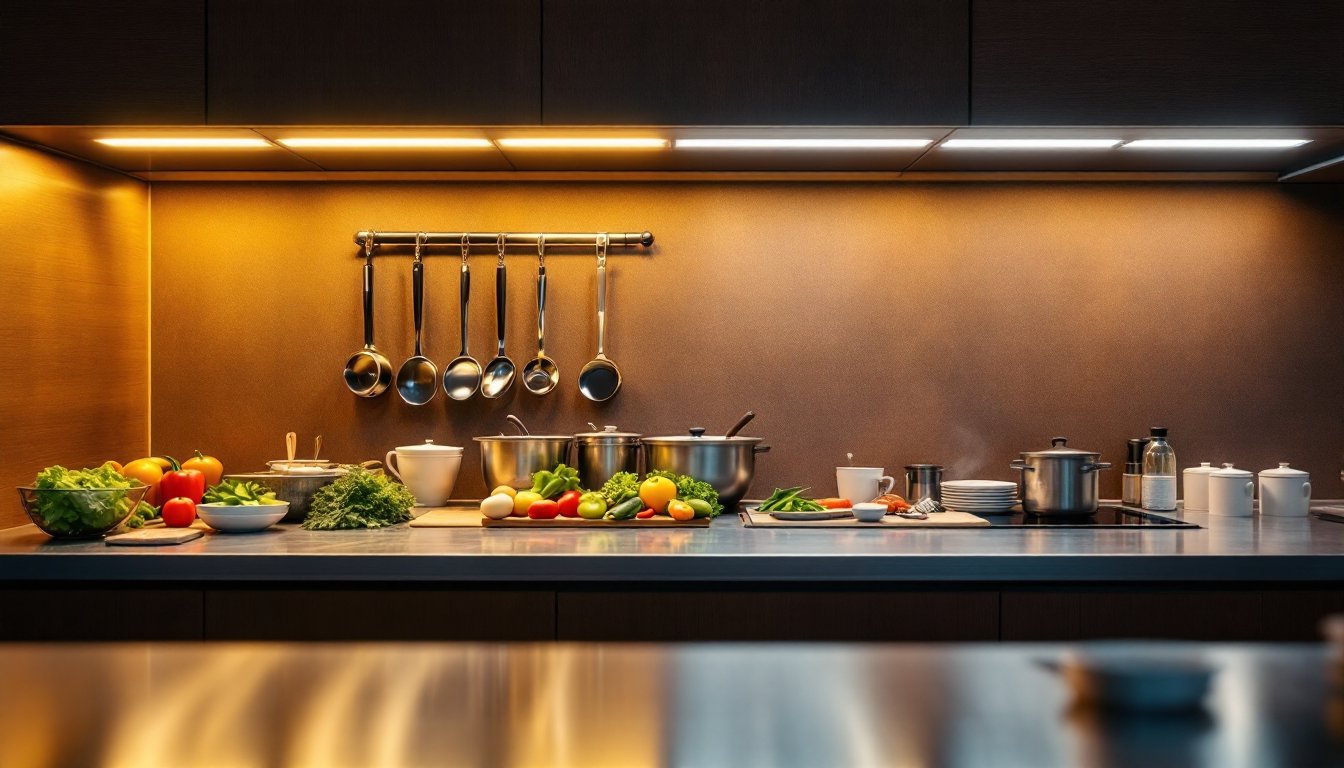
6-inch LED gimbal recessed lights excel in kitchens, where adjustable beams let homeowners direct light onto countertops without spilling into adjacent dining areas. Architects and interior designers often spec them for accent lighting over islands, buffets, or artwork.
In bathrooms, gimbals mounted on either side of a vanity mirror eliminate shadows on the face, critical for grooming. The ability to angle them outward prevents glare while ensuring even facial lighting. Master bedrooms and studies benefit from edge-mounted gimbals angled toward reading corners or hobby workbenches.
Living rooms and family rooms use gimbal clusters to layer light: some fixtures aimed at walls for ambiance, others tilted toward seating areas for task light. Home theaters and media rooms use dimmable gimbals to create low-light environments without complete darkness.
Commercial applications, boutiques, galleries, museums, often rely on gimbal recessed lighting because the adjustable beam precisely highlights merchandise and artwork. Residential projects mimicking gallery-style lighting increasingly use these fixtures for the same reason: flexibility without visible track systems.