
Outdoor lighting does more than light a path after dark, it defines how an entire property feels and functions. A well-lit yard extends usable space into evening hours, boosts curb appeal, and adds a layer of security that neighbors notice. Vista professional outdoor lighting systems deliver on all three fronts with modular design and smart controls that don’t require an electrician’s license to install. Whether someone’s tackling a patio refresh or reimagining a whole yard, professional-grade systems offer the flexibility and durability that cheaper solar or string lights can’t match. The right setup turns a backyard into a destination, and a front entrance into a polished first impression.
Table of Contents
ToggleKey Takeaways
- Vista professional outdoor lighting systems use modular, low-voltage designs that homeowners can install themselves without permits or electrician licenses in most jurisdictions.
- Professional outdoor lighting delivers 80% better energy efficiency than halogen alternatives while offering smart controls for scheduling, dimming, and motion-triggered automation.
- Layering three types of lighting—ambient, task, and accent—across different zones creates balanced illumination that enhances both function and curb appeal.
- Vista systems require minimal maintenance, with yearly connection checks and occasional lens cleaning being the primary upkeep needed for long-term durability.
- Professional outdoor lighting adds measurable resale value by signaling intentional property maintenance and investment quality to potential buyers.
Why Professional Outdoor Lighting Matters
Professional outdoor lighting systems solve problems that string lights and standard builder fixtures can’t touch. They’re designed to last through seasons of weather, deliver consistent brightness across large areas, and integrate with smart home ecosystems that homeowners increasingly expect.
Cheaper alternatives, solar stake lights, plug-in spotlights, basic floodlights, fail for predictable reasons: they dim in shade, need frequent battery replacement, blow out in storms, or cast harsh, uneven light that makes a yard look industrial rather than inviting. A Vista professional system, by contrast, uses hardened materials, proper wiring infrastructure, and fixture designs that control light direction and color temperature.
There’s also the practical angle. A homeowner building a deck, installing a pergola, or creating an outdoor kitchen wants lighting that works alongside those features, not fights them. Professional systems tie into landscape design. They highlight architectural features, eliminate dark corners where security cameras can’t see, and let someone enjoy a backyard for more than four daylight hours.
From a resale standpoint, professional outdoor lighting shows intent. It signals that the property was maintained thoughtfully and suggests investment in quality. Buyers notice.
Key Features of Vista Professional Systems
Design Flexibility and Customization Options
Vista systems build flexibility into the foundation. Rather than one-size-fits-all fixtures, they offer modular components: low-voltage LED spotlights, path lights, step markers, and accent fixtures that work as a coordinated set or independently. Low-voltage means safer installation, 12-volt systems don’t require a permit or licensed electrician in most jurisdictions, though local codes vary, so checking with the building department is wise.
A homeowner can mix fixture styles and placement without constraint. Six spotlights washing a fence, two downlights mounted in a soffit, path lights lining a driveway, all feed from the same transformer and control system. That modularity means someone can start small, add zones over time, and adjust positioning as trees grow or landscape changes. Warm white (2700K) creates a patio feel, while neutral white (4000K) works better for task lighting around a grill or workspace.
Cable runs underground or along structures using conduit, keeping installations clean. Most professional systems come with weatherproof connectors and buried wire rated for wet conditions. Installation typically involves digging shallow trenches (4-6 inches deep for low-voltage cable) and securing fixtures with included stakes or mounting brackets, work a Saturday without special tools or training.
Energy Efficiency and Smart Controls
LED fixtures use 80% less energy than traditional halogen equivalents and run cool enough to touch while operating. A typical Vista system draws 300–600 watts running a full yard layout, roughly what a microwave uses, which means running lights all night adds minimal impact to an electric bill.
Smart controls amplify the appeal. Many Vista systems integrate with WiFi hubs or Bluetooth connectivity, allowing someone to schedule lights (on at sunset, off at 11 p.m.), adjust brightness from a phone, or sync with voice assistants. Motion sensors can trigger lights only when movement’s detected, cutting operating hours by half on a low-traffic property.
Timers and daylight sensors eliminate the need to manually flip switches. A homeowner leaves for vacation, and the lights cycle automatically, creating the appearance someone’s home. Security-focused users program different zones to turn on in sequence, simulating occupancy. That’s not luxury, it’s practical peace of mind built into the hardware.
Installation and Maintenance Considerations
Installation difficulty sits squarely in the DIY-friendly range. A homeowner needs a basic tool kit: shovel, screwdriver set, wire strippers, voltage tester, and outdoor-rated electrical connectors. Vista systems come with detailed plans showing transformer placement, cable runs, and fixture spacing, following the schematic keeps things safe and problem-free.
Key install steps: locate the transformer indoors or in a weatherproof enclosure near the control zone: run 12-gauge low-voltage cable from the transformer through buried conduit or along fence lines: connect fixtures using waterproof quick-connect terminals (they twist together without splicing): and test with a multimeter before burying cable. Most yards take 4–6 hours for a basic setup. Hire help if digging a hundred feet of trenches seems tedious: it’s not structural work requiring inspection, just labor-saving.
Never skip grounding or use standard household wire for low-voltage runs, moisture and voltage spikes destroy unrated cable. Use direct-burial rated cable, and bury it at least 4 inches deep to avoid accidental damage from gardening.
Maintenance is minimal. Check connections yearly (tighten any loose connectors), replace fixtures if lenses crack, and clean lenses of debris and bug buildup, dirt dims light output significantly. LEDs rarely burn out, but if a string of lights fails, the transformer’s usually the culprit, and Vista sells replacements under $150. In cold climates, disconnect systems for winter to avoid battery drain in smart controllers, or run timers on a manual schedule.
Designing Lighting for Different Outdoor Areas
Light zones serve different purposes, and treating them separately gives better results.
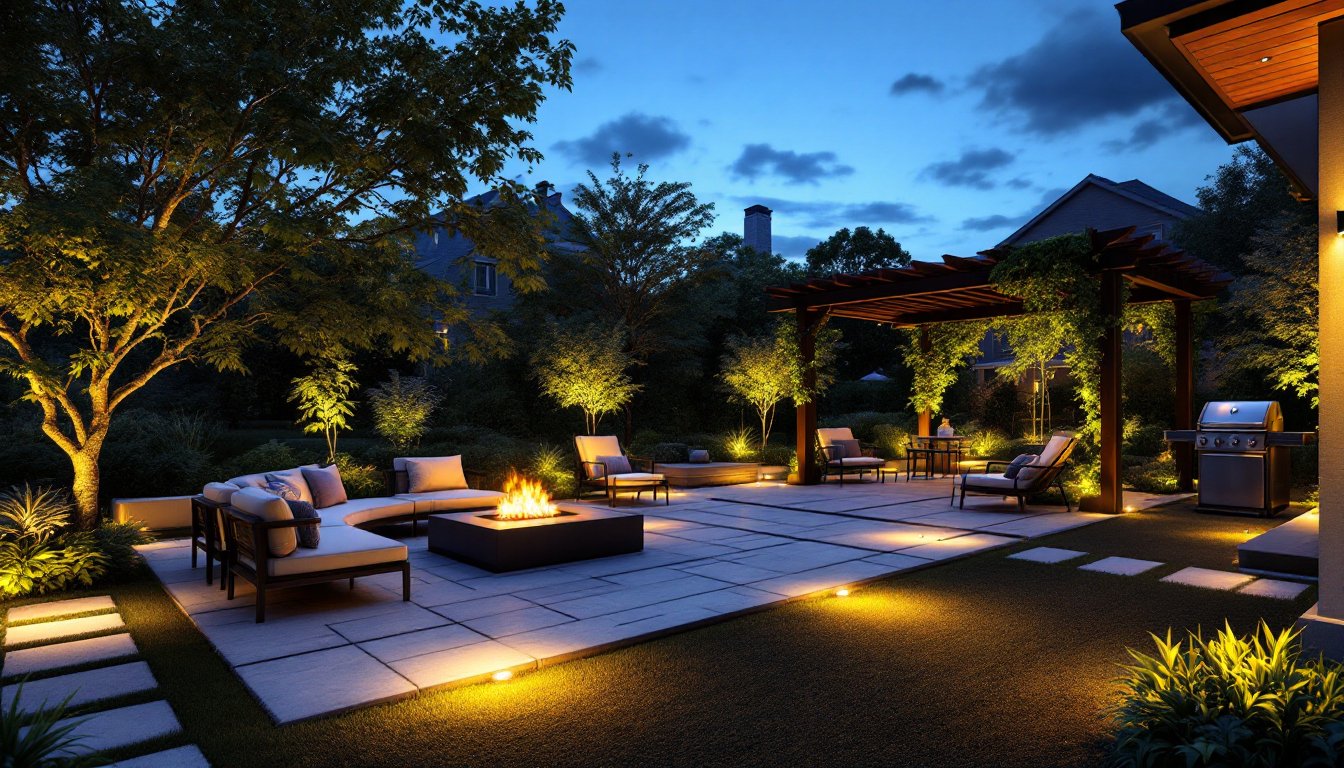
Patios and seating areas need ambient light at roughly eye level, overhead strings or soffit-mounted downlights work best. Aim for 50–100 lumens per fixture spread across the zone: too bright creates a stadium feel, too dim and people squint. A 12×12 patio benefits from three 300-lumen fixtures placed to avoid glare directly overhead.
Task zones, grills, work benches, bar areas, demand 150+ lumens from fixtures directed downward. A spotlight mounted above a grill eliminates shadows that make cooking awkward. Orient fixture beams so light doesn’t spill into neighbors’ properties: aim down, not out.
Pathways and steps use lower-wattage lights (20–50 lumens each) spaced 3–4 feet apart. Step markers shouldn’t blind: they’re directional guides. Warm color temperature here creates a welcoming feel and doesn’t startle nocturnal wildlife.
Accent lighting, highlighting a specimen tree, stone wall, or architectural detail, uses focused spotlights placed low and aimed upward or at an angle. These usually run independently on dimmer controls, letting someone adjust mood without affecting task or ambient lighting.
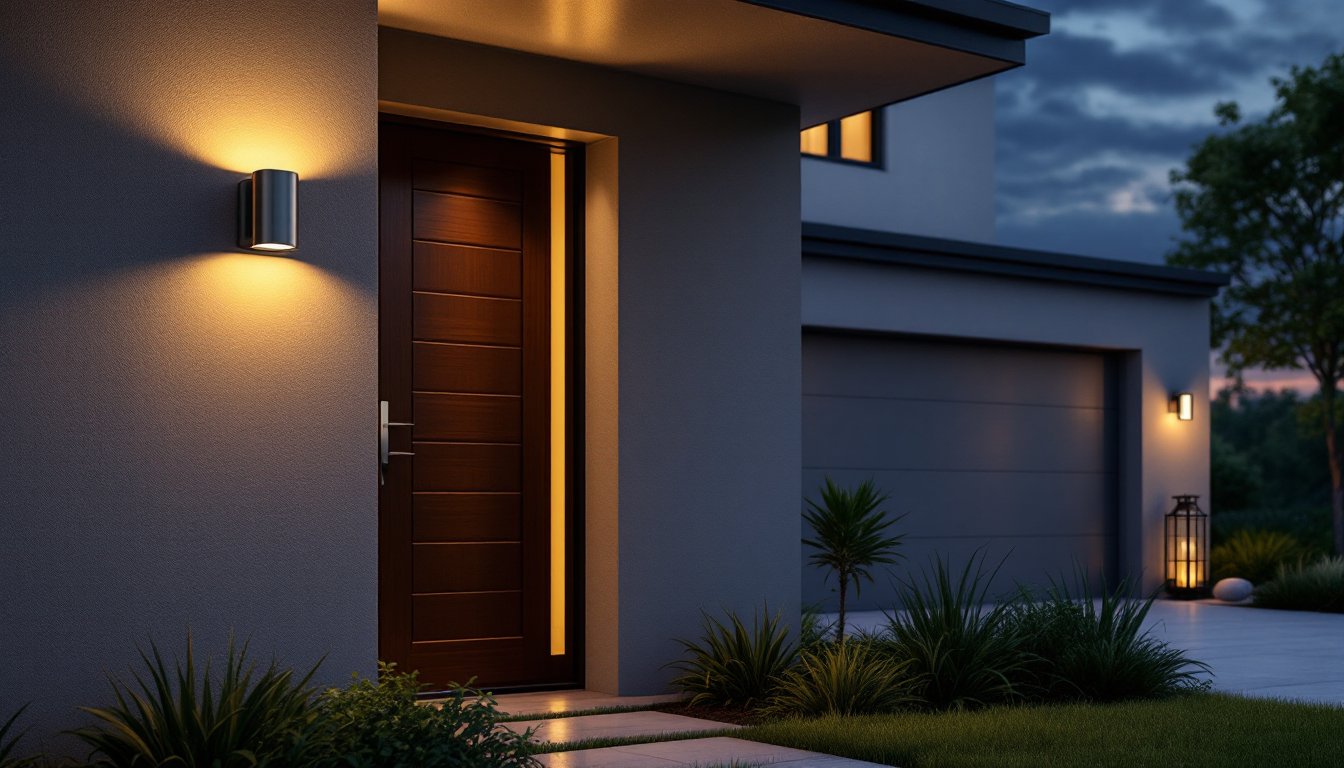
Driveways and entry approaches call for brighter path lights or recessed ground-level fixtures (75–150 lumens) to guide vehicles and visitors safely. Pair with a motion-triggered spotlight near a front door for security.
The rule of thumb: layer lighting. One bright overhead fixture creates harsh shadows: three medium-brightness fixtures from different angles feel balanced and welcoming. Vista’s modular approach makes layering easy, start with ambient, add task, then accent as the design refines.
Conclusion
Vista professional outdoor lighting transforms a yard into a functional, attractive extension of the home. The systems are modular, energy-efficient, and designed for homeowners comfortable with hands-on projects. Start with one zone, test the layout, then expand. A backyard that lights well doesn’t feel finished by accident, it results from thoughtful planning and quality equipment. That’s what professional systems deliver.