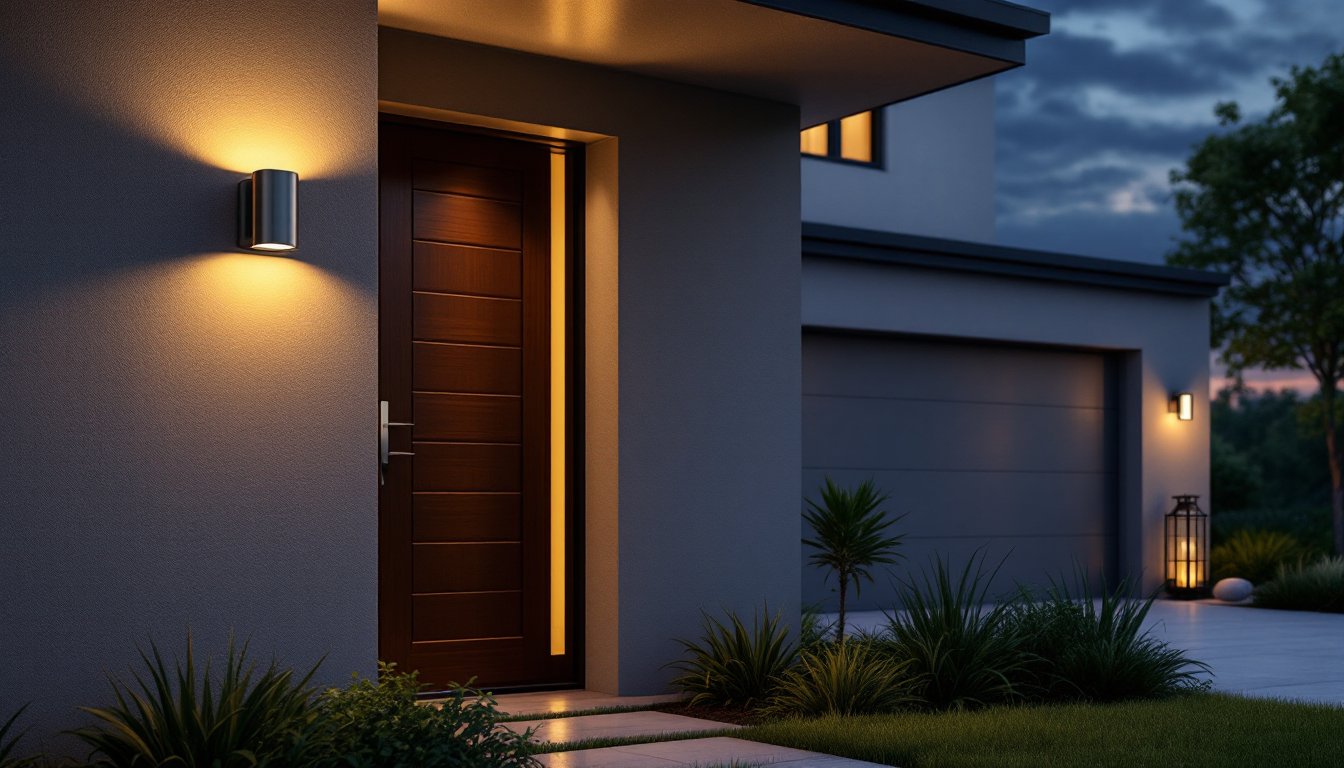

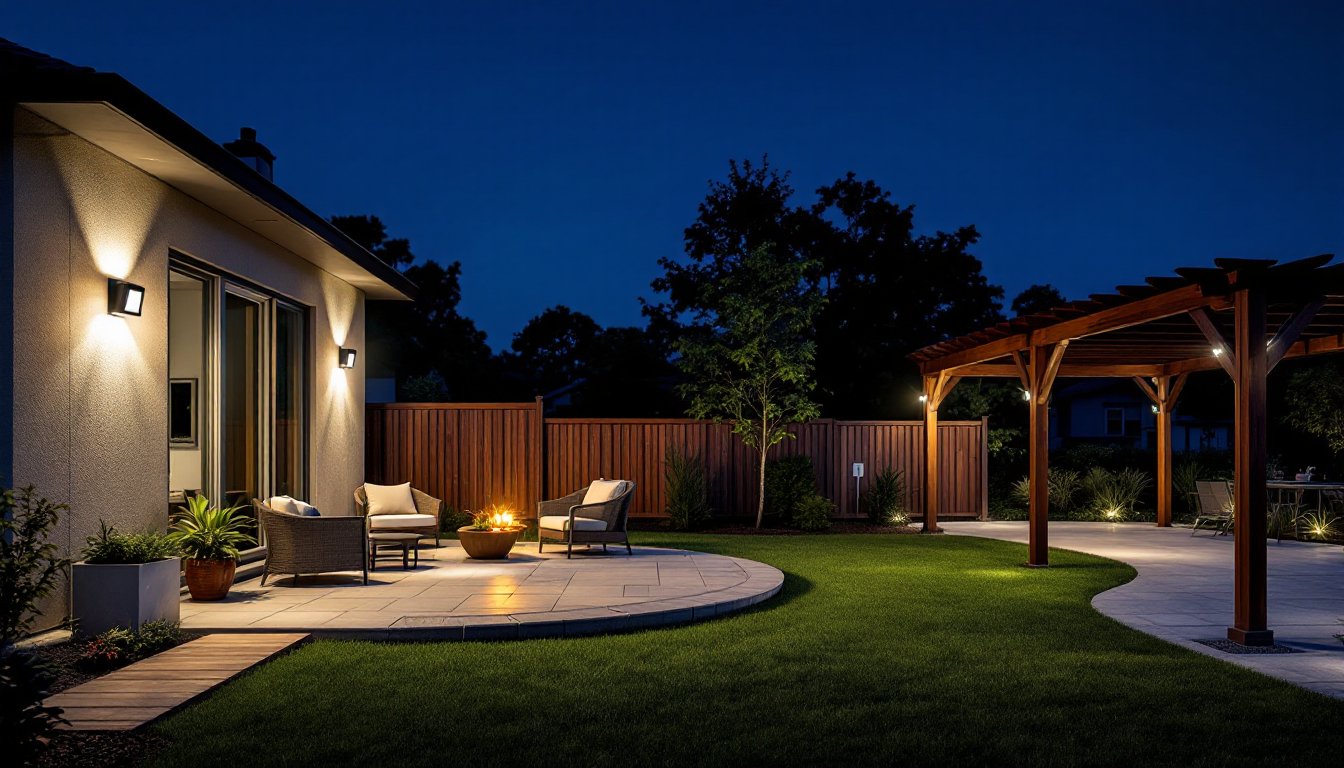
Outdoor lighting transforms a backyard from dark and uninviting into a functional, safe space that extends entertainment and activity well past sunset. LED outdoor flood lights have become the go-to solution for homeowners and DIYers because they deliver bright, reliable illumination without the power bill spike of older halogen or incandescent fixtures. Unlike traditional flood lights that burn hot and fade quickly, LED flood lights last 25,000 to 50,000 hours, roughly 10 to 20 years with normal use, while consuming 75% less energy. Whether lighting a patio, driveway, deck, or security zone, understanding the fundamentals of LED flood lighting helps you choose the right fixture, position it correctly, and avoid common pitfalls. This guide walks through why LEDs work, what specs matter most, and how to install them for maximum coverage and efficiency.
Table of Contents
ToggleKey Takeaways
- LED outdoor flood lights consume 75% less energy than halogen fixtures and last 25,000 to 50,000 hours, saving homeowners $900–$1,200 over a single fixture’s 10-year lifespan.
- Focus on lumens rather than wattage when choosing brightness, as LED flood lighting delivers superior efficiency—a 30W LED may produce 3,000 lumens versus traditional incandescent logic.
- Select color temperature (3000K for warm, patios; 5000K–6500K for security) and beam angle (30–40 degrees for accent, 90–120 degrees for broad coverage) based on your outdoor space’s specific application.
- Mount flood lights 8–12 feet high and use a lux meter to test brightness before permanent installation, positioning fixtures to minimize light spillover and avoid dark gaps.
- Always hire a licensed electrician for hardwired outdoor lighting work, use UF-rated cable buried at least 12 inches deep per NEC code, and secure all connections in weatherproof junction boxes rated for wet locations.
- LED flood lights deliver instant-on brightness ideal for security, eliminate mercury and audible ballast hum, and outperform halogen and incandescent alternatives across every key performance metric.
Why LED Flood Lights Are the Smart Choice for Outdoor Spaces
LED flood lights outperform older technologies in nearly every category that matters to a homeowner. A traditional 400W halogen flood light produces roughly 8,000 lumens and generates intense heat, making it unsafe to touch during operation and demanding a heavy-duty fixture housing. An equivalent LED flood light delivers the same or better brightness using only 50–80W, stays cool to the touch, and fits into standard light housings.
Energy savings compound over time. If a backyard security light runs 6 hours nightly for 365 days, a 400W halogen burns 876 kilowatt-hours annually. The same LED fixture uses only 146 kWh, a difference of roughly $90–$120 per year in most regions, depending on local electricity rates. Over a fixture’s 10-year lifespan, that’s $900–$1,200 saved on that single light, plus replacement costs avoided since LEDs outlast halogens by years.
LED flood lights also warm up instantly, unlike CFLs, which flicker and take minutes to reach full brightness. They’re durable in cold and humid climates, contain no mercury, and operate quietly without the hum or audible clicks of ballast-driven fixtures. For outdoor security, instant full brightness is a genuine safety advantage, no waiting for the yard to light up when motion is detected.
Key Features to Look for in Outdoor LED Flood Lights
Brightness and Lumens
Lumens measure light output: watts measure energy use. A common mistake is equating wattage to brightness, that logic worked for incandescent bulbs but fails for LEDs, which are far more efficient. Instead, focus on lumens, the actual measure of visible light. A 30W LED flood light might produce 3,000 lumens, while a 50W model delivers 5,000 lumens.
For outdoor spaces, brightness needs vary by application. A backyard entertaining area typically needs 50–100 lumens per square meter: a security or accent light might call for 200–400 lumens per square meter. An entryway or patio seating zone around 12×15 feet benefits from 1,500–3,000 total lumens. A long driveway or perimeter security line might demand 5,000–10,000 lumens spread across multiple fixtures. Check the fixture’s datasheet for measured lumen output under real operating conditions, not marketing approximations.
Color Temperature and Beam Angle
Color temperature, measured in Kelvins (K), defines whether light appears warm or cool. A 3000K LED produces warm, yellowish light reminiscent of incandescent, comfortable for patios and entertaining. A 5000K–6500K LED delivers bright, neutral white light ideal for security and task lighting like driveways or workshops. Cool light suppresses melatonin less aggressively at night, though warm light is still preferable near seating areas to avoid harsh glare.
Beam angle determines the spread of light from the fixture. A narrow 30–40 degree beam concentrates light in a tight cone, ideal for accent lighting or highlighting a specific feature. A 60–90 degree beam spreads light across a wider area, better for general illumination of patios or yards. For security floodlighting, 90–120 degrees is typical, covering a broad zone from a single fixture mounted high on the house or post. Always verify the beam angle in the product spec: manufacturer photos are often misleading.
Installation and Positioning Tips for Maximum Coverage
Mounting location and height are as critical as the fixture itself. A flood light mounted 8–12 feet high on the house, fence, or pole will spread and penetrate more effectively than one placed near ground level. For a patio, mount the fixture to the house or overhang at eye level or slightly above, aiming the beam down and outward to illuminate the entertaining space without creating glare in seated eyes.
Before installation, note that outdoor electrical work requires a dedicated circuit and weatherproof outlet box rated for outdoor use, typically IP65 or higher. If hardwiring, hire a licensed electrician unless you hold an electrical license in your jurisdiction: codes vary, and mistakes can be dangerous. Alternatively, consider hardwired fixtures with built-in plug adapters that fit a GFCI-protected outdoor outlet, removing the need for conduit work.
Use a meter or smartphone lux app to test brightness at key zones before permanent installation. Position fixtures to minimize light spillover onto neighbors’ property (a courtesy and often a legal requirement). If using multiple flood lights, stagger them so beams overlap slightly rather than creating dark pockets between fixtures. For motion-sensor lights, mount them 5–8 feet high pointing slightly downward: test the sensor’s detection range after installation.
When running electrical wire for hardwired fixtures, use UF-rated (underground feeder) or UF-B cable buried at least 12 inches deep, per NEC code, or conduit if running above ground. Verify your local code, some jurisdictions require deeper burial or conduit in all cases. Never reuse indoor lighting cable outdoors: it lacks weatherproof jackets. Secure all connections in weatherproof junction boxes rated for wet locations, use silicone caulk around penetrations, and test the circuit with a voltage tester after connection to confirm proper polarity.
Conclusion
LED outdoor flood lighting is no longer an expensive upgrade, it’s the practical default for any homeowner upgrading or installing new outdoor illumination. The combination of long-term energy savings, instant-on convenience, durability, and superior light quality makes LEDs the clear winner over halogen, incandescent, and fluorescent alternatives. By selecting fixtures with appropriate lumen output and color temperature, positioning them strategically, and following electrical safety codes, a DIYer can create a bright, efficient outdoor space that’s functional for years to come. Start with one or two fixtures in high-impact zones, entryway, patio, or security perimeter, and expand as budget allows.