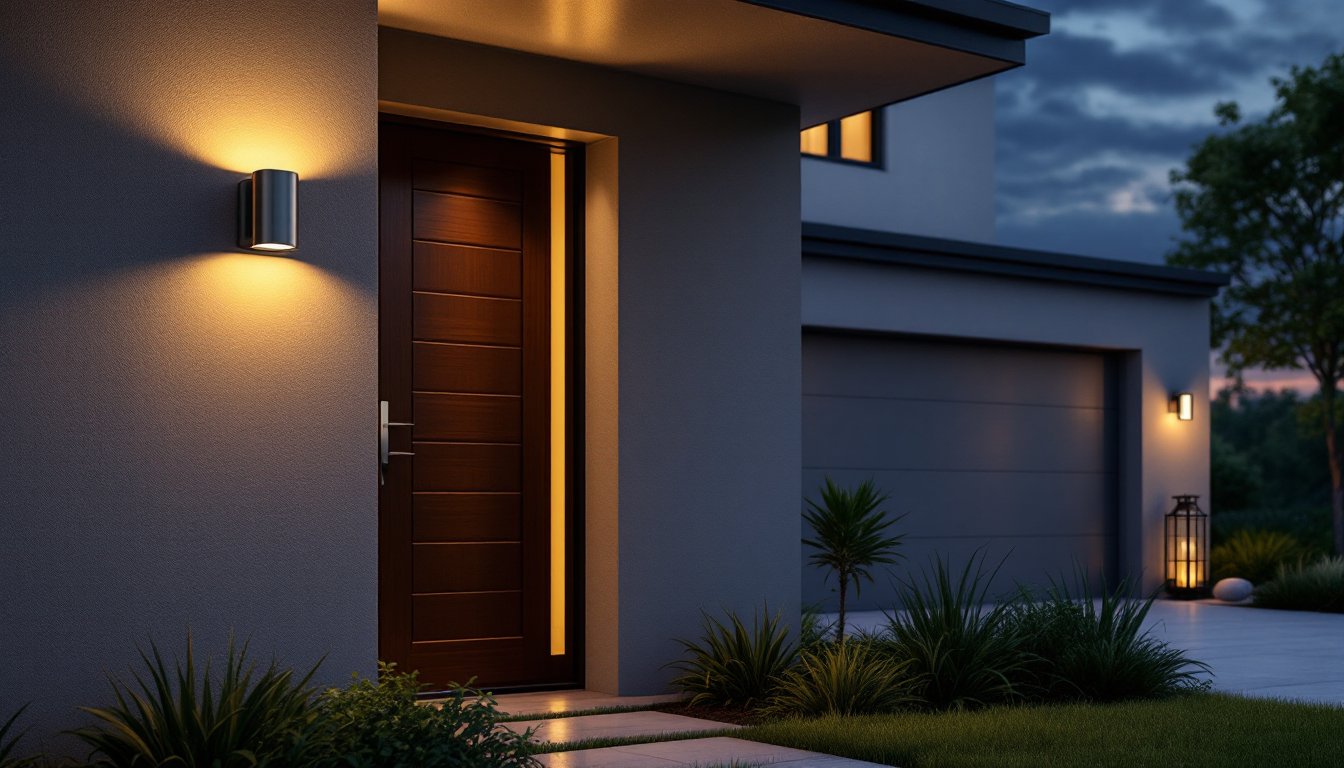

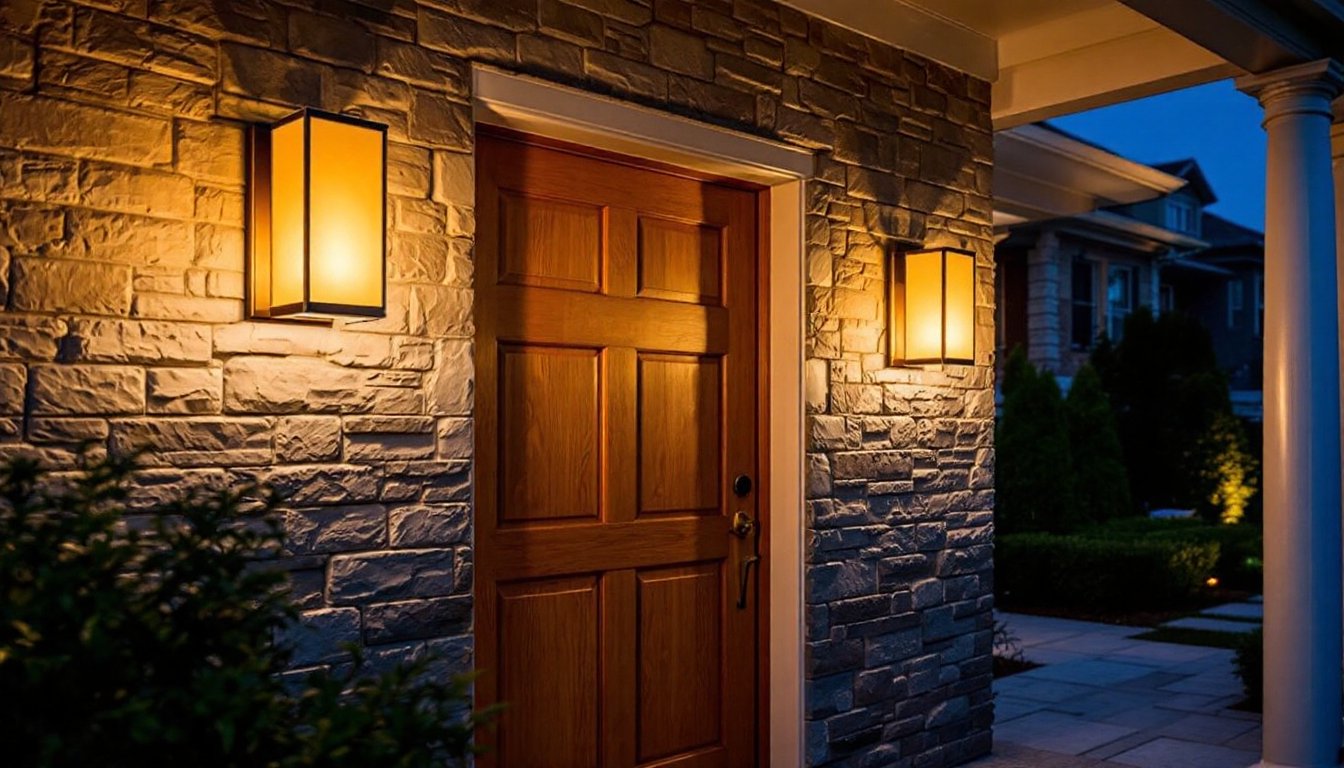
Traditional outdoor lighting brings warmth, character, and reliable illumination to any property. Unlike trendy modern designs that may feel dated in five years, classic outdoor fixtures have proven their staying power for decades, and for good reason. They complement everything from colonial homes to cottages, farmsteads to urban townhouses. Whether someone’s adding a single sconce by the front door or planning a full landscape lighting scheme, traditional outdoor lighting offers both functionality and curb appeal. The right fixtures don’t just light up a space: they set the mood, improve safety, and add real value to a home.
Table of Contents
ToggleKey Takeaways
- Traditional outdoor lighting features timeless design principles using materials like brass, bronze, and warm-toned glass that develop character and patina over time, making them a durable alternative to trendy modern fixtures.
- Proper placement of traditional lighting—such as sconces at 5–6 feet beside doorways, lanterns spaced 8–12 feet apart on pathways, and 2700K warm white LED bulbs—enhances both safety and curb appeal while creating an inviting atmosphere.
- Choosing wet-rated fixtures for exposed areas and damp-rated for covered spaces, along with checking IP44 minimum ratings, ensures traditional outdoor lighting performs reliably in any weather condition.
- Traditional fixtures offer superior longevity and resale value because individual components like hinges and sockets can be replaced without discarding the entire fixture, unlike sealed modern units.
- Regular maintenance—including annual cleaning with mild soap, inspecting seals and gaskets, and checking for corrosion—keeps traditional outdoor lighting looking pristine and functional for decades.
What Defines Traditional Outdoor Lighting
Traditional outdoor lighting is characterized by timeless design principles that favor symmetry, craftsmanship, and materials that age gracefully. Think lanterns with visible hinges, carriage lights with warm glass panels, and post-mounted fixtures with established proportions. These pieces draw inspiration from gas-lit streets and early electric fixtures, forms that worked before Instagram and still work today.
The key to traditional style is restraint and authenticity. A traditional fixture doesn’t try to be clever or minimalist: it’s honest about what it does and how it’s made. Brass, bronze, steel, and copper are the metals of choice, not chrome or brushed aluminum. Glass is warm-toned (amber, frosted, or clear), not colored or geometric.
Key Design Elements and Materials
Materials form the backbone of traditional outdoor lighting design. Brass and bronze are industry standards, they develop a natural patina over time and pair with period architecture. Wrought iron or cast aluminum (made to look like iron) provides sturdy frames. Glass panes are typically clear, frosted, or amber to diffuse light warmly. Some traditional fixtures use fabric shades (cotton or linen), but outdoor-rated materials are essential for durability.
Design elements include visible hardware (screws, hinges, mounting brackets), symmetrical shapes, and often a central focal point like a finial or tapered body. Many traditional fixtures are modular, a base post, a lantern head, and a decorative top, so parts can be replaced individually.
First-time buyers should check whether fixtures are wet-rated or damp-rated. Damp-rated fixtures work in covered porches: wet-rated fixtures handle direct rain and are needed for exposed areas. The IP rating (dust and water ingress) is also worth confirming, look for IP44 at minimum for outdoor use.
Popular Traditional Lighting Styles and Fixtures
Several traditional styles dominate the market and suit different homes and landscapes.
Lantern fixtures are perhaps the most versatile. Hanging lanterns work on pergolas, patios, and porches. Wall-mounted sconces (often paired on either side of a door) are a classic entry statement. Post-mounted lanterns sit on 4×4 or 6×6 wooden posts and are ideal for driveways and garden paths. Lanterns typically house an Edison-style bulb or a more modern A19 LED that mimics incandescent warmth.
Carriage lights or coach lights are heritage fixtures derived from old-time coach houses. They’re rectangular or cylindrical, usually mounted at head height beside an entrance. Their compact profile and directional beam make them perfect for security lighting without looking like a spotlight.
Pendant lights suspended from chains or rods, often seen on porch ceilings or suspended from beams, echo turn-of-the-century train stations and farmhouse kitchens. They’re warm and inviting but require a covered structure to avoid water pooling on the fixture itself.
Wall sconces in traditional styles range from simple single-light designs to multi-light statements. They’re typically paired and mounted 5–6 feet above the ground on either side of a doorway or wall face. Two matching fixtures create symmetry: a single larger fixture works for smaller areas.
Post lights (or bollards) are short, ground-level or knee-high fixtures that define pathways and garden edges. They’re understated but essential for safety and wayfinding.
The Benefits of Choosing Traditional Outdoor Lighting
Choosing traditional outdoor lighting delivers practical and aesthetic rewards.
Timeless aesthetics mean the fixtures won’t look dated in 2030. A well-chosen traditional lantern complements both a Victorian home and a modern farmhouse equally well. Trends come and go, but classic proportions endure. That longevity also translates to better resale value, potential buyers recognize and appreciate the investment.
Material durability is another win. Quality brass and bronze don’t require frequent replacement. Unlike plastic or thin metals that degrade in sunlight and salt air, traditional materials develop character with age. A patina-ed brass lantern looks richer at year five than year one.
Ease of maintenance and repair is underrated. If a traditional fixture’s socket or wiring fails, individual components can often be swapped. Modern fixtures are sometimes sealed units that must be replaced entirely. A hinge breaks? The hardware is standard and available. Compare that to a proprietary LED module that’s discontinued after two years.
Warm light quality is inherent to traditional design philosophy. Traditional fixtures naturally diffuse light in amber or warm tones, reducing glare and creating inviting spaces. Modern LED bulbs have improved dramatically: 2700K warm white LEDs are now standard and provide the same cozy glow as old incandescent bulbs, without the energy waste.
Compatibility with landscape design is easier. Traditional fixtures work alongside stone walls, wooden gates, hedges, and plants without clashing. They blend into gardens rather than dominate them.
Installation and Placement Considerations
Proper placement and installation make all the difference between average and excellent outdoor lighting.
Entry doors need light, both for safety and curb appeal. Mount a pair of sconces 5–6 feet high on either side of the main entrance, or a single fixture centered above the door. Ensure the light is bright enough to recognize faces from the street (minimum 60–80 lumens per side for sconces). Test the fixture at night before finalizing placement to avoid unwanted shadows.
Pathways and driveways benefit from post-mounted lanterns or bollards spaced 8–12 feet apart. This spacing prevents dark gaps while avoiding over-illumination. Use 30–50 lumen fixtures for subtle wayfinding: go up to 100–150 lumens if security is a priority. Stake out the layout with spray paint or tape first, measure twice, dig once.
Patios and gathering spaces need layered light. A pendant or hanging lantern above the seating area provides ambient light (400–600 lumens), while wall sconces on surrounding posts or structures add definition. Avoid shining light directly into guests’ eyes: aim it downward or diffuse it through glass.
Wet-rated vs. damp-rated is critical. Hanging pendants or sconces under a roof overhang can be damp-rated. Post lanterns in open yards must be wet-rated. Check the fixture label, if unsure, choose wet-rated for safety.
Electrical runs require planning. If running new circuits, call 811 before digging to locate underground utilities. Low-voltage 12V systems avoid digging trenches for standard 120V wiring and don’t require a permit in most jurisdictions, but confirm local codes. A licensed electrician is wise for 120V exterior work, especially if permits are needed.
Bulb choice matters. LED bulbs rated 2700K (warm white) mimic incandescent color and last 25,000+ hours. Avoid cheap LEDs: they flicker or shift color as they age. Dimmable LEDs allow flexibility in evening ambiance. Check fixture compatibility, some older fixtures have compatibility issues with certain LED types.
Maintaining Your Traditional Outdoor Lighting
Traditional fixtures are low-maintenance, but small habits prevent corrosion and early failure.
Annual cleaning keeps fixtures looking their best. Use a soft cloth and mild soapy water to wipe down brass, bronze, or iron casings. For stubborn dirt, a soft-bristled brush works, avoid wire brushes, which scratch metal. Dry thoroughly to prevent water spots. If patina develops (a greenish tint on brass), many people leave it: it’s a sign of age and character. If you prefer shine, use 0000 steel wool with a brass cleaner, then coat with clear lacquer if desired.
Inspect seals and gaskets every spring. Rubber seals around globe panes or fixture bases can dry and crack, allowing water inside. If a gasket is compromised, replace it, gasket kits are inexpensive and available online. Corrosion inside the fixture shortens bulb life and can cause electrical failure.
Check bulbs and sockets seasonally. A bulb that flickers may be loose or failing. If a socket looks corroded (whitish or greenish), consider having a licensed electrician inspect it. Corrosion indicates moisture intrusion.
Protective coatings vary by material. Brass and bronze naturally patina but can be sealed with clear lacquer if preferred. Iron fixtures benefit from annual touch-ups with rust-inhibiting paint if bare spots appear. Aluminum castings are typically powder-coated and require minimal intervention.
Winter prep in freeze-thaw climates is wise. Drain any water that pools in fixture bases, or angle mounting hardware slightly to shed water. Ice expansion can crack glass or weaken seals. In extreme cold, consider removing pendant fixtures temporarily if ice load is a concern.
Conclusion
Traditional outdoor lighting remains a smart investment for anyone seeking enduring beauty and reliable function. The design language is proven, the materials age well, and the fixtures integrate seamlessly into any property style. Whether installing a single entry sconce or a full landscape scheme, start with a clear plan: identify the purpose (safety, ambiance, security), choose fixtures that complement the home’s architecture, and invest in quality bulbs and sealing. The result is an outdoor space that’s not just well-lit, it’s genuinely welcoming, and it’ll look right for decades to come.