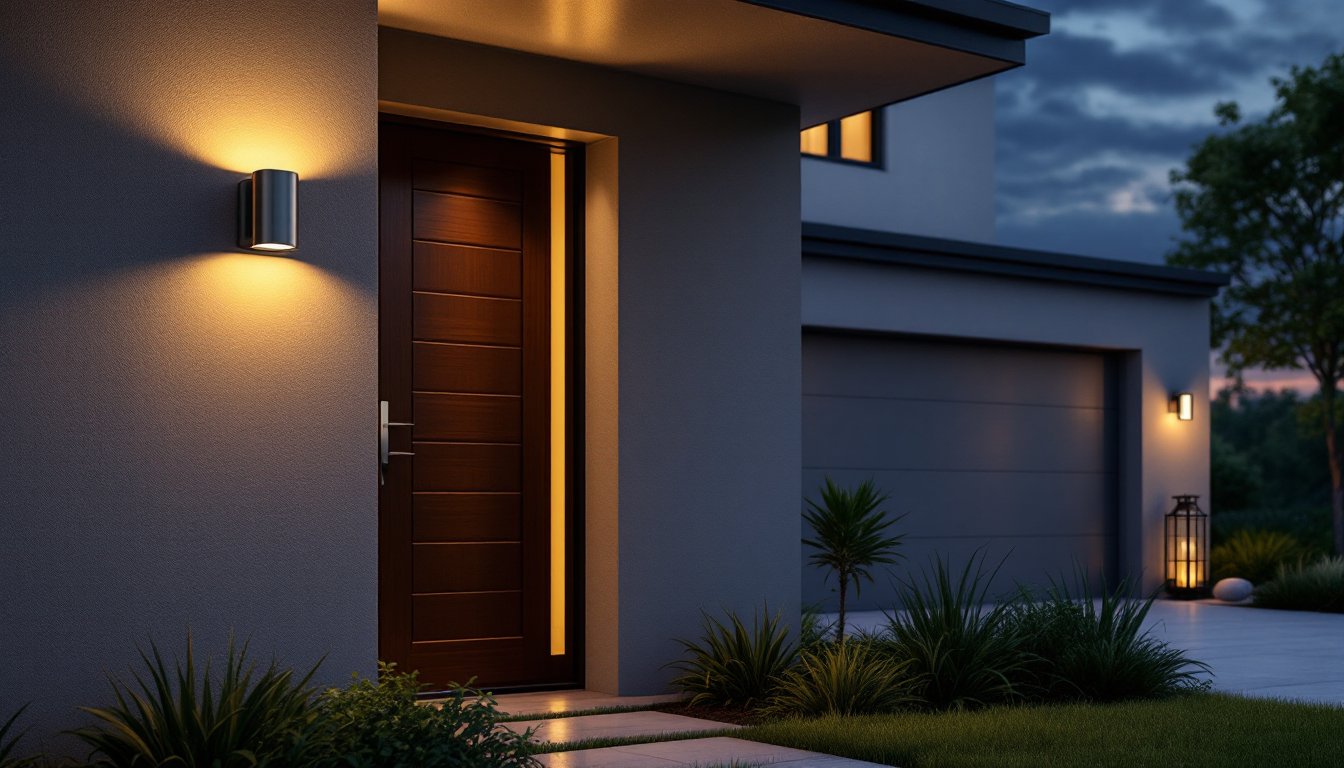

Memphis homeowners know that a well-lit yard doesn’t just look sharp, it keeps family safer, deters intruders, and extends the time you can actually enjoy your outdoor space. Whether hosting a summer cookout or simply enjoying an evening on the porch, outdoor lighting transforms the function and ambiance of any property. The challenge for Memphis residents is choosing the right fixtures and placement to handle the region’s humidity, heat, and occasional severe weather while staying within budget. This guide walks through the essentials of outdoor lighting in Memphis, from why it matters to which types work best in local conditions.
Table of Contents
ToggleKey Takeaways
- Outdoor lighting in Memphis serves three essential purposes: enhancing security by deterring intruders, improving safety by eliminating tripping hazards, and boosting curb appeal through strategic accent and landscape lighting.
- Choose outdoor lighting fixtures with IP65 ratings or higher and materials like stainless steel or aluminum to withstand Memphis’s heat, humidity, and variable weather conditions.
- LED bulbs are the most practical choice for Memphis outdoor installations, lasting 25,000+ hours and cutting energy costs by 75% compared to incandescent bulbs while performing reliably in humid conditions.
- Layer your outdoor lighting design with ambient lighting for general brightness, task lighting for functional areas, and accent lighting to highlight landscape features, preventing a flat or overly bright appearance.
- Hardwire outdoor circuits on a dedicated 20-amp GFCI breaker with underground conduit protection rather than relying on solar fixtures, which often underperform in Memphis due to summer cloud cover and high humidity.
- Inspect outdoor lighting fixtures each spring and quarterly for corrosion, water intrusion, and loose hardware to maintain reliable performance through freeze-thaw cycles and seasonal weather swings.
Why Outdoor Lighting Matters For Memphis Homes
Outdoor lighting serves three core purposes: security, safety, and aesthetics. Memphis summers are long and hot, which means evenings are prime time for entertaining and relaxation. Without proper lighting, a backyard becomes a liability after dark, tripping hazards like uneven ground, deck edges, and pool areas become dangerous.
Security-wise, well-lit properties deter would-be intruders. Motion-activated floodlights near entry points and dark corners make homes less attractive targets. Insurance companies sometimes offer discounts on homeowner policies when adequate outdoor lighting is installed, particularly on the front facade.
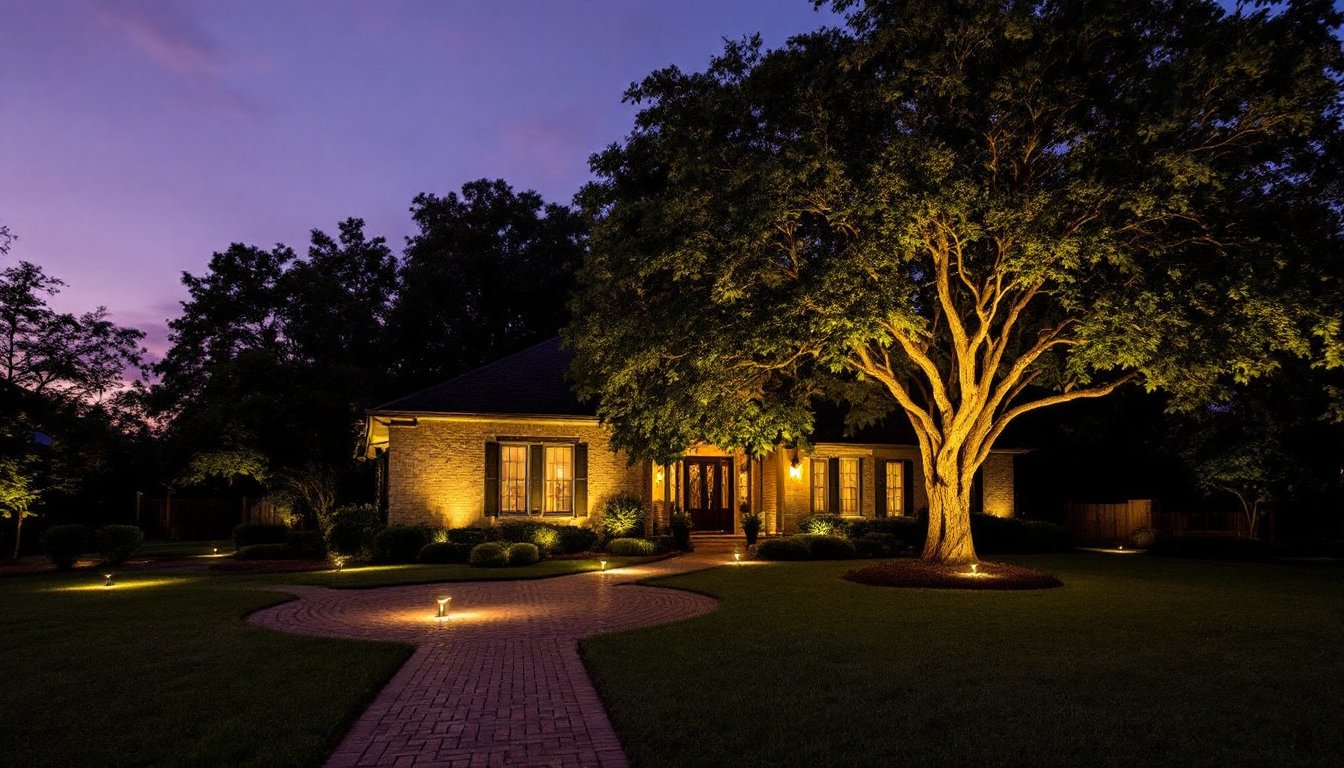
Aesthetically, the right lighting highlights landscaping, architectural features, and hardscaping. A Memphis home framed by uplighting on mature oaks or accent lights on brick walkways shows real curb appeal. Unlike interior design, outdoor lighting designs don’t date quickly, a well-planned system works year after year.
Types Of Outdoor Lighting For Memphis Properties
Landscape And Accent Lighting
Landscape lighting showcases the natural features of a yard. Uplighting, pointing fixtures upward at trees, shrubs, or structural elements, creates dramatic shadows and depth. Downlighting mimics moonlight and is useful for illuminating ground-level plantings without harsh glare.
Path lights and garden lights sit low to the ground, typically 8–12 inches tall. They mark walkways and flower beds without overwhelming the space. For Memphis yards with mature trees, moonlighting (positioning uplights high in branches to cast dappled shadows below) creates sophisticated evening ambiance.
Accent lighting focuses on architectural details: brick columns, stonework, or water features. LED strip lights mounted under eaves or along fence lines add definition without energy waste. These fixtures work year-round in Memphis’s variable humidity and require minimal maintenance when properly rated for outdoor conditions.
Pathway And Security Lighting
Pathway lights serve dual purposes: they guide foot traffic and deter crime. Solar pathway lights are affordable but often underpowered in Memphis’s humid climate: hardwired options last longer and run consistently. Mount fixtures at least 6 feet high on walls or posts so they illuminate the path without creating shadows directly in front of visitors.
Security lighting includes motion-activated floodlights mounted 8–10 feet high near entry doors, driveways, and dark property corners. Memphis’s variable cloud cover means motion sensors should have adjustable sensitivity settings to avoid false triggers from wind-blown debris or passing animals.
Recessed soffit or fascia lights trim the roofline and provide unobtrusive perimeter illumination. They’re cleaner-looking than surface-mounted fixtures and resist weather better when installed with proper sealing against moisture.
Key Considerations For Outdoor Lighting Design
Start with a rough sketch of your property and identify zones: entry points, pathway areas, entertaining spaces, and security-sensitive spots. Lighting should be layered, combine ambient (general brightness), task (focused illumination for cooking or seating areas), and accent lighting (highlighting landscape features). This layered approach prevents a one-dimensional, overly bright outdoor space.
Wire planning matters before installation. Hardwired outdoor circuits should be on a dedicated 20-amp GFCI breaker with outdoor-rated wire rated for your local climate conditions. Underground conduit protects wiring from lawn equipment damage and UV exposure. If you’re uncertain about electrical codes, a licensed electrician ensures compliance with the National Electrical Code (NEC) and local Memphis ordinances.
Bulb color temperature affects the mood and function of a space. Warm white (2700K) suits entertaining and relaxation areas: cool white (4000K+) works better for security and utility. Many Memphis homeowners mix both: warm lighting on a patio and neutral tones near the front entrance.
Dimmers add flexibility. If installing new fixtures, run a low-voltage line to enable dimming control later. This is simple during initial installation but expensive to retrofit.
Choosing The Right Outdoor Lighting For Your Memphis Climate
Memphis summers reach 90°F+ with high humidity. Choose fixtures rated IP65 or higher (ingress protection rating) to resist moisture and dust. Stainless steel, aluminum, or powder-coated brass handles temperature swings and humidity better than painted steel, which rusts quickly.
LED bulbs are the practical choice for outdoor Memphis installations. They last 25,000+ hours, produce minimal heat, and cut energy use by 75% compared to incandescent bulbs. This matters when running multiple outdoor circuits through humid months. The upfront cost per bulb is higher, but lifespan and reliability offset expense. Avoid cheap imports: reputable brands like Philips, Sylvania, or GE offer better binning (consistency in brightness and color).
Solar fixtures seem attractive but often underperform in Memphis. The summer clouds and high humidity reduce charging efficiency. If using solar options, choose premium models with lithium batteries (better performance in heat than NiMH) and test them after 2–3 weeks to confirm adequate brightness.
Vest-pocket sizing matters too. Small fixture dimensions look more polished than oversized ones on residential properties. For example, a 4-inch recessed step light suits residential decks better than industrial 6-inch housings.
Regularly inspect fixtures each spring for insect nests, corrosion, or water intrusion. Silicone caulk seals around fixture seams: replace gaskets if they’ve cracked or compressed. Memphis’s freeze-thaw cycles can loosen mounting hardware, a quarterly check with a screwdriver prevents mid-season light failure.
Conclusion
Outdoor lighting in Memphis transforms both the safety and character of residential properties. Combining landscape, pathway, and security lighting with proper wire planning, appropriate fixtures for the climate, and quality LEDs creates a system that works reliably for years. Start small if budget is tight, focus on entry points and high-traffic areas, then expand. A professional installation ensures code compliance and longevity, but thoughtful planning and honest assessment of your DIY skills pay dividends either way.