
Smart lighting isn’t just a novelty anymore, it’s practical. Whether homeowners are retrofitting a single room or rewiring an entire house, the right smart lighting company can transform how they control ambiance, energy use, and home security. But the market is crowded. Not all smart lighting solutions work with existing infrastructure, and compatibility issues can derail a project before it starts. This guide walks through what defines a quality smart lighting company, which features actually matter, and how to pick one that fits a home’s wiring, budget, and long-term goals. No marketing fluff, just straight talk on specs, standards, and real-world installation.
Table of Contents
ToggleKey Takeaways
- A quality smart lighting company provides an integrated ecosystem of hardware, software, and customer support with clear documentation of compatibility standards rather than just WiFi-enabled bulbs.
- Verify compatibility with your existing smart home platform (HomeKit, Google Home, Alexa) and infrastructure before choosing a smart lighting solution to avoid costly workarounds or fragmented ecosystems.
- Prioritize automation features like geofencing, scheduling, motion sensors, and scene synchronization—automation is where quality separates a practical system from a gimmick.
- Matter compatibility and Thread mesh networking are becoming industry standards as of 2026, offering interoperability and better reliability in older homes without vendor lock-in.
- Compare total cost of ownership including bulb price, hub requirements, subscription fees, and ease of repairs rather than focusing solely on upfront price to avoid frustration and hidden expenses.
- Check a smart lighting company’s track record for product longevity, ongoing software updates, and support for older models—this reflects their commitment to reliability and customer trust.
What Defines a Smart Lighting Company
A smart lighting company isn’t just a manufacturer slapping WiFi into a bulb. Real smart lighting providers handle hardware, software, network protocols, and customer support as a complete ecosystem. They engineer bulbs, switches, or fixtures that communicate via a standard protocol, WiFi, Zigbee, Z-Wave, Thread, or proprietary systems, and back them with an app or hub that lets homeowners control them.
The best providers distinguish themselves by three things: they support open standards (or at least clearly document what they support), they stand behind hardware longevity with updates, and they don’t lock customers into proprietary hubs if alternatives exist. Some companies focus on bulbs alone: others offer switches, dimmers, motion sensors, and full-home ecosystems. The scope matters. A company selling only smart bulbs won’t help much if someone needs intelligent wall switches for a hardwired fixture (like recessed lights) where screwing in a bulb isn’t practical.
Reliability and transparency matter too. A smart lighting company should publish compatibility lists, explain installation requirements upfront, and provide realistic specs, not just “bright” or “colorful,” but actual lumens, color temperature range, and dimming compatibility with existing switches.
Key Features to Look For in Smart Lighting Solutions
Compatibility and Integration Standards
Before picking a bulb or switch, confirm it plays nice with existing infrastructure. If someone has a Lutron Caseta system already installed, a random Matter-only bulb might not integrate without a separate bridge or workaround. Most modern systems support at least one major standard: WiFi, Zigbee, Z-Wave, or Thread. Zigbee and Z-Wave require a hub: WiFi connects directly to a router but can overwhelm bandwidth in large homes. Thread is newer, mesh-capable, and becoming common in Apple HomeKit ecosystems.
Check whether the lighting system works with HomeKit, Google Home, Amazon Alexa, or other platforms the homeowner already uses. Some companies support multiple platforms seamlessly: others require workarounds or third-party apps. A smart lighting company worth its salt will list compatibility on product pages, if it’s vague, move on.
App Control and Automation Capabilities
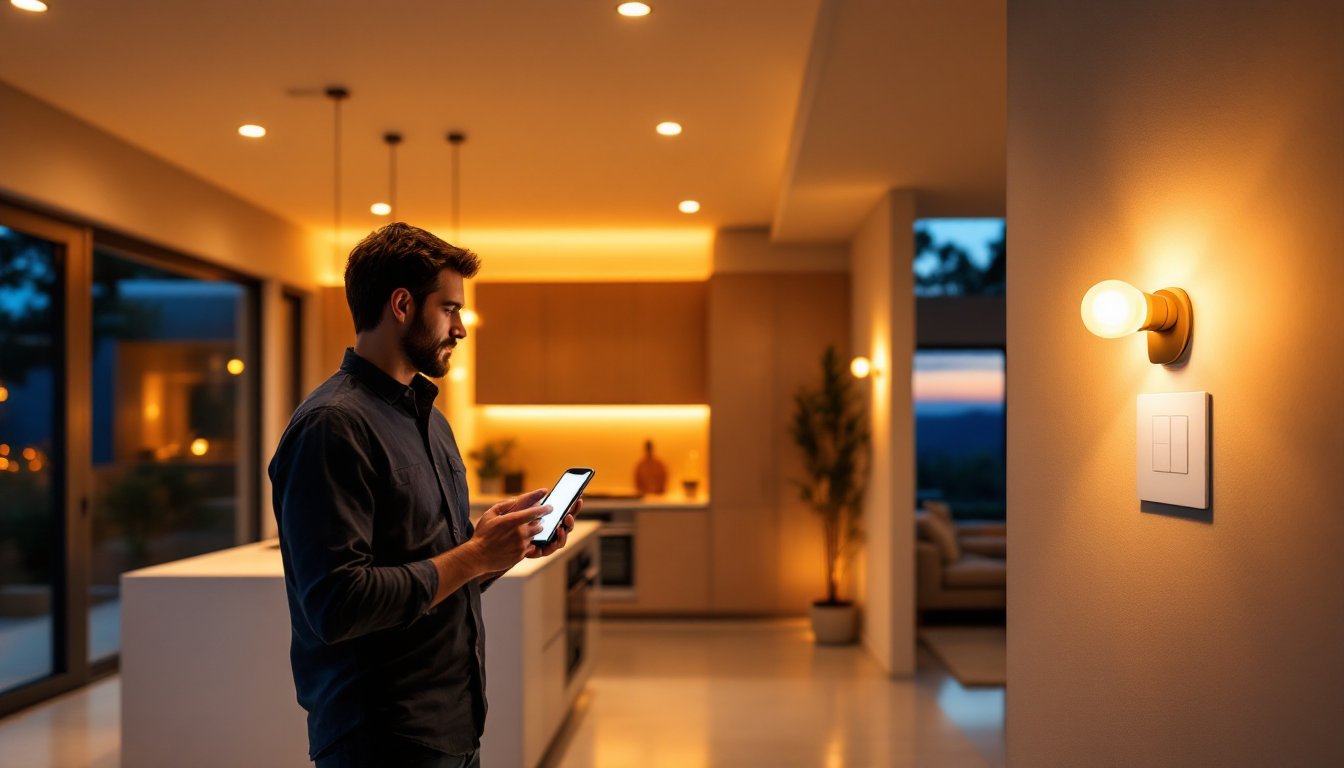
A decent app lets users turn lights on and off and adjust brightness. A good one adds scheduling, geofencing (lights turn on when you’re near home), scenes (preset combinations of brightness and color), and voice control. The best ones integrate with motion sensors, door locks, and thermostats so lighting reacts to occupancy or time of day without manual input.
Automation is where quality separates from gimmick. Can the system trigger lights based on sunset? Can it dim gradually at bedtime? Can a motion sensor in a hallway trigger lights for 5 minutes? A smart lighting company that limits automation to basic schedules isn’t thinking about real-world use. Also check whether scenes sync across devices, if one room’s lights are preset to “movie time,” that preset should be available in the entire home.
Top Smart Lighting Technologies and Innovations
The landscape keeps evolving. Philips Hue still leads in smart bulbs with unmatched color accuracy and ecosystem depth, though they’re pricey. LIFX offers WiFi bulbs without a hub requirement, ideal for renters or small retrofits. Lutron Caseta commands the upscale, whole-home segment with hardwired switches and rock-solid reliability (but requires installation or professional help for wall switches).
Matter compatibility is the 2026 game-changer. This protocol promises interoperability, mix bulbs from different brands on the same hub without vendor lock-in. Most major manufacturers now support Matter, but adoption is still rolling out. Thread, bundled with some Matter devices, adds mesh networking so signals bounce between devices, improving range and reliability in older homes with thick walls.
Energy monitoring is increasingly built-in. Some smart bulbs and switches now report power consumption, letting homeowners track whether their lighting actually saves energy or just adds convenience. Smart dimmers reduce power more reliably than on-off bulbs alone.
Voice control is standard, not exceptional. What matters now is multi-room audio sync (lights responding to music) and machine learning that learns behavior patterns, lights turning on before sunset if that’s the habit, or dimming when the TV comes on. These features vary widely, so check feature lists carefully.
How to Choose the Right Smart Lighting Company
Start by auditing what’s already installed. If someone’s house runs on HomeKit and all doors are August locks and thermostats are Ecobee, picking a Zigbee-only lighting system means buying a hub and living with a fragmented app ecosystem. Compatibility first, everything else is secondary.
Next, define the scope. Are they replacing bulbs in lamps and overhead fixtures, or swapping out wall switches? Bulb replacements are plug-and-play. Wall switches, especially if hardwired into multiple-gang boxes or controlling high-amperage loads (recessed lights, chandeliers), might need a licensed electrician and a permit depending on local code. A smart lighting company that doesn’t mention this is cutting corners on safety communication.
Read real reviews, not just testimonials. Look for complaints about app crashes, connectivity dropouts, or poor customer service. Forums like r/HomeAutomation and platforms like Wirecutter or The Verge offer honest testing. Pay attention to scalability too, if someone wants to start with a single room and expand later, can they mix that company’s products with others, or will they be locked in?
Price matters but shouldn’t be the only filter. A $15 smart bulb that drops connection weekly costs more in frustration than a $30 one that just works. Compare total cost of ownership: bulb price, hub cost (if needed), subscription fees (some apps lock features behind monthly payments), and whether replacements or repairs are easy to source.
Finally, check the company’s track record. How long have they been around? Do they still support older products with updates, or do they abandon last year’s models? A smart lighting company that respects longevity builds trust.
Conclusion
Picking the right smart lighting company comes down to matching three things: existing home infrastructure, the scope of the project, and honest expectations about automation value. Don’t buy a system because it’s trendy or cheapest. Spend time on compatibility, read the fine print, and choose a provider that prioritizes reliability and transparency. The payoff, lights that work intuitively, adapt to routine, and integrate with the rest of a smart home, is worth the upfront diligence.