
Good bathroom lighting isn’t a luxury, it’s essential for shaving, applying makeup, and seeing what you actually look like before leaving the house. Bathroom lighting over the mirror is the foundation of a functional grooming space, and 2026 brings new options in LED efficiency, smart controls, and sleek designs that elevate both form and function. Whether someone’s updating a 10-year-old setup or building a bathroom from scratch, choosing the right fixtures, brightness level, and placement can transform the daily routine. This guide walks through the key decisions: what types of fixtures work best, how to calculate the right brightness, and which styles fit different bathroom aesthetics, without the contractor jargon or unnecessary costs.
Table of Contents
ToggleKey Takeaways
- Bathroom lighting over the mirror should be positioned 30 to 40 inches above the countertop to eliminate shadows and create flattering, even illumination for grooming tasks.
- A well-designed mirror lighting setup requires 4,000 to 8,000 total lumens with cool white (4,000–5,000K) color temperature ideal for makeup application and shaving to show true colors.
- Vanity light bars (24–48 inches) and LED-integrated mirror cabinets are the most popular options, with bars offering affordability and easy bulb replacement while integrated units provide sleek design and storage.
- Cool white LED lighting mimics natural daylight and prevents shadows, while dimmable or color-tunable fixtures offer flexibility for different times of day and personal preference.
- Budget-friendly vanity bars start at $40–$80 with installation costs of $150–$300, while LED bulbs save 75% energy and last 25,000+ hours, offsetting initial premiums within five years.
- Fixture style should match bathroom aesthetics—modern bathrooms suit brushed nickel bars, farmhouse styles favor Edison bulbs in oil-rubbed bronze, and luxury bathrooms benefit from sculptural brass or chrome sconces.
Why Proper Lighting Over Your Mirror Matters
A bathroom mirror is where people start and end their days, and poor lighting here creates unnecessary frustration. Without proper illumination, shadows cast by overhead lights hide spots during makeup application, make shaving dangerous, and cause eyestrain during grooming tasks. Proper mirror lighting also balances overall bathroom brightness, a mirror-mounted fixture prevents the harsh, unflattering shadows that come from relying only on ceiling-mounted lights.
Building codes don’t specify mirror lighting requirements, but the National Electrical Code (NEC) requires that bathroom lighting be on a dedicated circuit and that outlets near sinks have GFCI (ground fault circuit interrupter) protection. This matters when wiring new fixtures, older bathrooms especially may lack proper circuits.
From a practical standpoint, light positioned directly above and slightly to the sides of the mirror creates the most flattering, shadow-free environment. Light placed too high casts shadows on the face. Too low, and it creates glare. The sweet spot is usually 30 to 40 inches above the countertop, though this varies with fixture type and mirror height.
Popular Lighting Fixtures for Over-Mirror Installations
Vanity Light Bars and Wall Sconces
Vanity light bars are the workhorse of bathroom mirrors. These linear fixtures mount horizontally above or on the sides of mirrors and distribute light evenly across the face. Standard widths range from 24 to 48 inches, and most are designed to hold 3 to 5 bulb sockets. The advantage: they’re affordable, widely available, and replaceable if a socket fails.
When choosing a bar, look for models with diffusers or shades that soften glare. Bare-bulb designs look industrial and are cheaper but create uneven shadows. Most bars now accept A19 or G25 LED bulbs, which are standard and cheap to replace. A typical 36-inch vanity bar uses about 60 watts total with LED bulbs (compare to 180+ watts with older incandescent), making them efficient.
Wall sconces, single or paired fixtures mounted on either side of the mirror, offer a softer, more decorative look. They work best on wider mirrors (36 inches or more) where paired sconces can flank the mirror. A single sconce on a narrow mirror often creates uneven lighting. Sconces vary wildly in style, from industrial Edison-bulb designs to sleek modern glass shades, making them a strong choice for matching bathroom aesthetics.
Integrated LED Mirror Cabinets
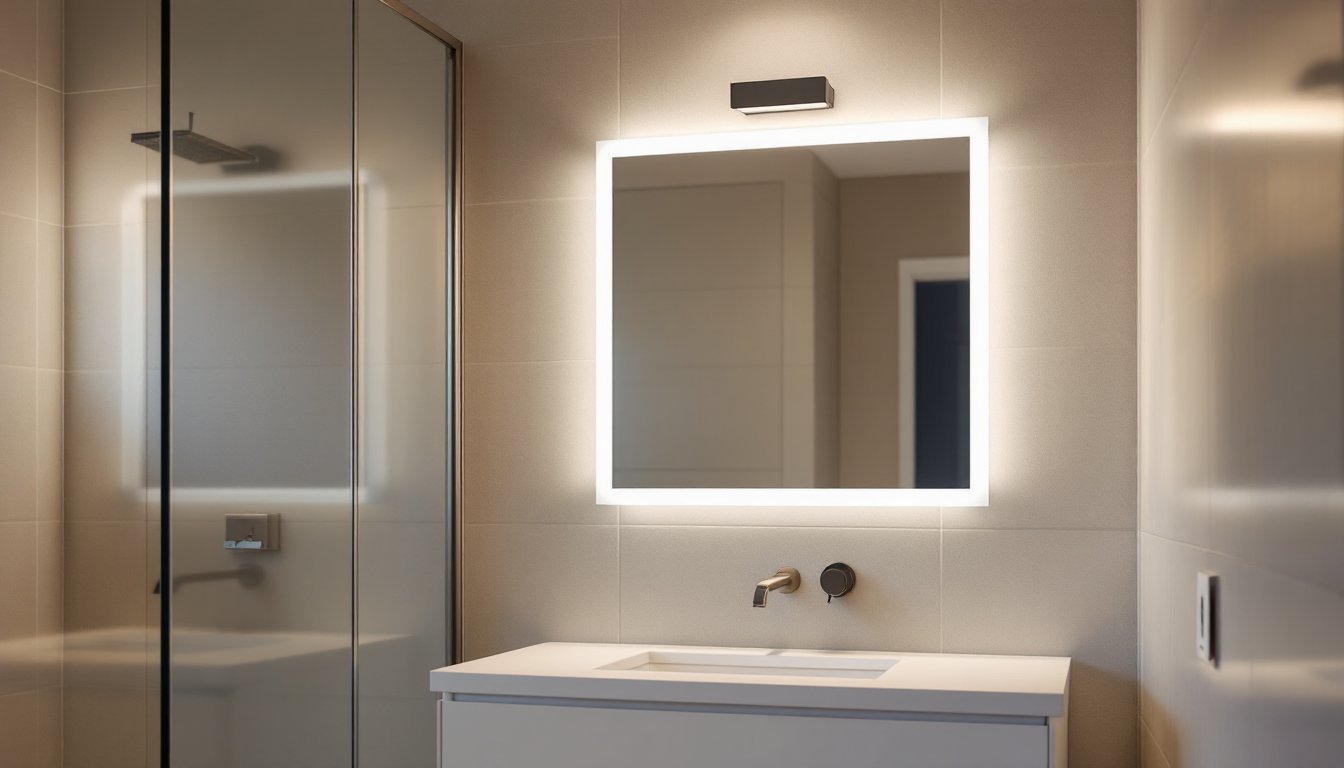
LED-integrated bathroom mirrors (also called lighted medicine cabinets) built fixtures and storage into one unit. Lights are typically embedded around the perimeter or backlit behind the mirror glass. These fixtures are pricey (usually $200–$800) but eliminate the need for separate lighting and mounting hardware. Some include motion sensors, dimming controls, and even Bluetooth speakers, features that appeal to those upgrading to modern bathroom tech.
The tradeoff: they’re heavier and require more precise mounting. They also make repairs harder since lights can’t be simply swapped for bulbs. But, they’re excellent for small bathrooms where space is tight and a sleek, integrated look matters.
Brightness, Color Temperature, and Placement Tips
Brightness is measured in lumens (not watts). A good bathroom mirror setup needs about 4,000 to 8,000 total lumens, depending on mirror size and usage. A single 36-inch vanity bar with five 16-watt LED bulbs (each producing roughly 1,600 lumens) delivers solid all-around brightness without being harsh.
Color temperature, measured in Kelvin (K), affects how people perceive their grooming tasks. Cool white (4,000–5,000K) mimics natural daylight and is ideal for makeup application and shaving because it shows true color. Warm white (2,700–3,000K) is softer and more flattering but can hide skin tones. A smart compromise: choose warm white if the light will be on throughout the day, or install color-tunable LEDs that shift from warm to cool based on time of day or preference.
Placement matters as much as brightness. Above the mirror is standard, but mount fixtures 30 to 40 inches above the sink countertop for optimal angle. Ensure the fixture doesn’t directly shine into eyes when someone looks in the mirror. Side-mounted sconces should be at eye level or slightly above (roughly 60 to 64 inches from the floor on most people). Avoid a single overhead light: it creates shadows that defeat the purpose.
If the bathroom is small, a 24-inch vanity bar paired with good overhead ambient lighting works fine. Larger bathrooms and double-sink vanities often benefit from a 36- or 48-inch bar, or two separate sconces.
Design Styles to Match Your Bathroom Aesthetic
Lighting isn’t just functional, it’s often the first visible fixture people notice in a bathroom, so style matters.
Modern and minimalist bathrooms pair well with sleek, low-profile LED bars in brushed nickel or matte black finishes. Look for fixtures without visible bulbs or decorative shades. Alternatively, an integrated LED mirror cabinet with a clean frame lines up perfectly with contemporary design.
Farmhouse and transitional styles favor vanity bars with frosted glass shades or Edison-style bulbs in oil-rubbed bronze or rustic finishes. These fixtures add warmth without feeling dated. Paired sconces with fabric shades also work well here.
Luxury and spa-inspired bathrooms lean toward sculptural sconces, often in brass or polished chrome, sometimes with crystal or marble accents. Integrated lighted mirrors with high-end finishes (brass, stainless steel) also fit this category. These fixtures cost more but set a distinct tone.
Coastal and eclectic styles embrace variety, driftwood-finish bars, weathered metal sconces, or even vintage-inspired lighting all work. The key is consistency with other bathroom fixtures (faucets, hardware, towel bars).
When choosing a fixture, buy it before committing to installation. Most home improvement stores allow returns, and seeing it in the actual bathroom lighting for a day or two catches mismatches in finish or scale that photos can’t.
Budget-Friendly and Luxury Lighting Solutions
For those on a tight budget, a basic 36-inch vanity bar with white ceramic or frosted glass shades runs $40–$80 and works reliably for years. Add five dimmable LED A19 bulbs (about $2–$4 each) and budget control is achieved. Installation (if hiring) typically costs $150–$300, but hanging a vanity bar is straightforward for anyone comfortable drilling into tile or drywall.
Mid-range upgrades include vanity bars with integrated dimming switches ($100–$200) or quality sconces in designer finishes ($150–$350 per pair). These offer better styling without the premium price tag.
Luxury options, integrated LED mirror cabinets, high-end lighted medicine cabinets, or custom-built vanity setups with architect-designed sconces, range from $500 to $2,000+ and may require professional electrical work. These make sense if remodeling the entire bathroom or prioritizing a spa-like experience.
One cost-saving tip: LED bulbs cost more upfront but use 75% less energy and last 25,000+ hours compared to incandescent. Over five years, the savings often exceed the initial premium. Another: don’t oversize the fixture. A 48-inch bar in a small bathroom wastes energy and looks oversized. Match the fixture width to the mirror and vanity size.
When budgeting, factor in electrician costs if upgrading wiring, and always buy fixtures before drywall or tile work, moving a light fixture after finishing walls is expensive.