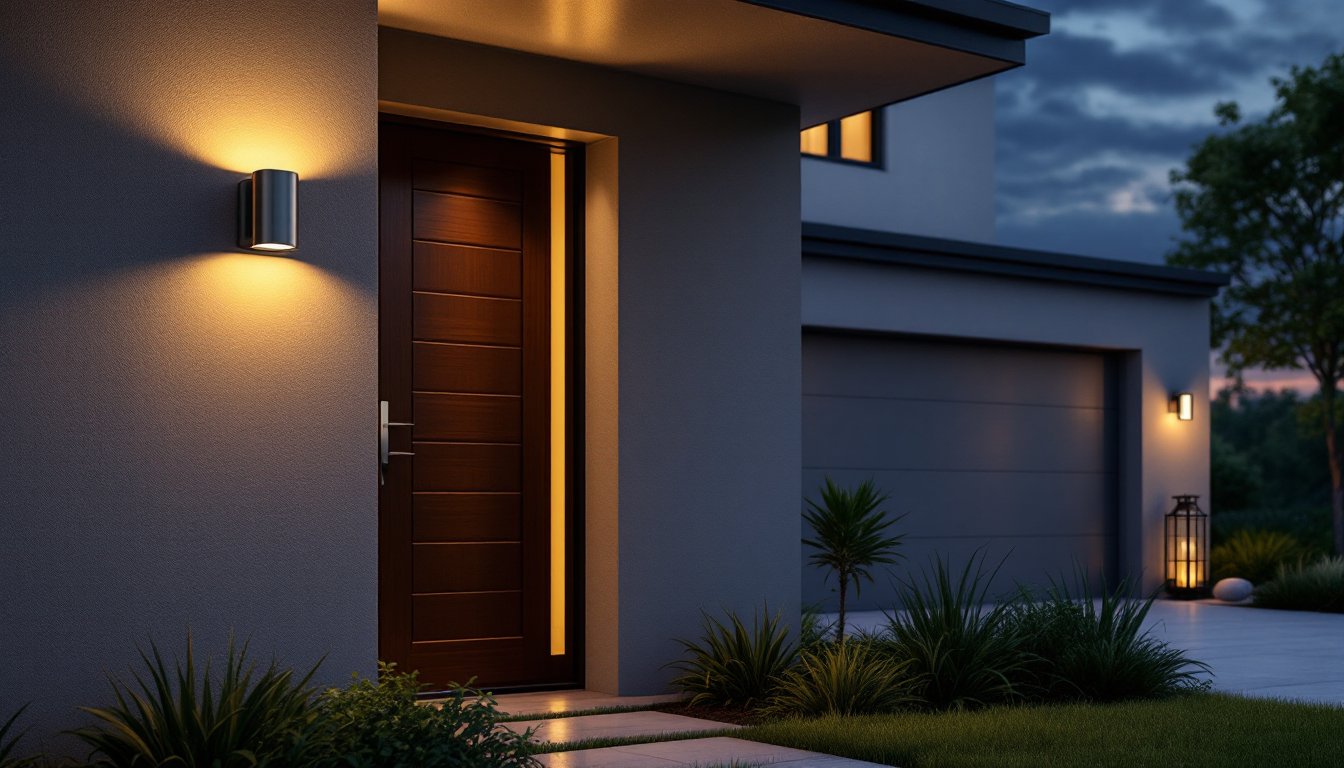

A well-designed outdoor lighting system transforms a backyard from an unusable shadow zone into a functional, inviting space. Whether it’s pathway lights guiding visitors safely to your door, accent lighting highlighting landscape features, or deck lighting extending evening gatherings, professional outdoor lighting installation makes a real difference. But finding a qualified outdoor lighting contractor near you who understands both the technical and aesthetic sides of the job isn’t always straightforward. This guide walks through what to look for, the types of services available, and how to vet contractors so you can confidently hire someone who’ll deliver results, not just string up a few lights and call it done.
Table of Contents
ToggleKey Takeaways
- Professional outdoor lighting contractors prioritize electrical safety by installing GFCI protection, proper wire gauges, and adhering to NEC code—requirements that DIY projects often overlook and that prevent fire hazards and code violations.
- When selecting an outdoor lighting contractor near you, verify licensing, insurance, and design certifications before hiring; request a portfolio of completed residential projects and ask for references to ensure they deliver quality work, not just basic installations.
- Outdoor lighting services range from landscape accent lighting and path systems to smart automation and solar options—choose a contractor who recommends the right mix for your site and budget rather than pushing only their most profitable solutions.
- During your consultation, ask potential contractors specific questions about design plans, permit handling, wire gauges, GFCI protection, wiring concealment, and post-installation maintenance to identify professionals who work thoughtfully rather than rush estimates.
- Finding the right outdoor lighting contractor involves checking multiple sources including Google Local, the Better Business Bureau, local referrals, and contractor networks like the Outdoor Lighting League to build a shortlist of vetted professionals.
Why Professional Outdoor Lighting Installation Matters
DIY outdoor lighting projects often end in one of two ways: either undersized wiring melts under load, fixtures fall apart after a season of weather, or the whole setup looks amateur and unbalanced. A professional outdoor lighting contractor handles the fundamentals that make systems safe and enduring.
Electrical safety is paramount. Outdoor circuits must be on GFCI (Ground Fault Circuit Interrupter) breakers to prevent shocks from water exposure. Improper voltage drop calculations, undersized wire gauges, and missing junction boxes create fire hazards and code violations. Codes also vary by jurisdiction, some areas require permits for any permanent outdoor wiring, while others have specific setback requirements from gas lines or irrigation systems.
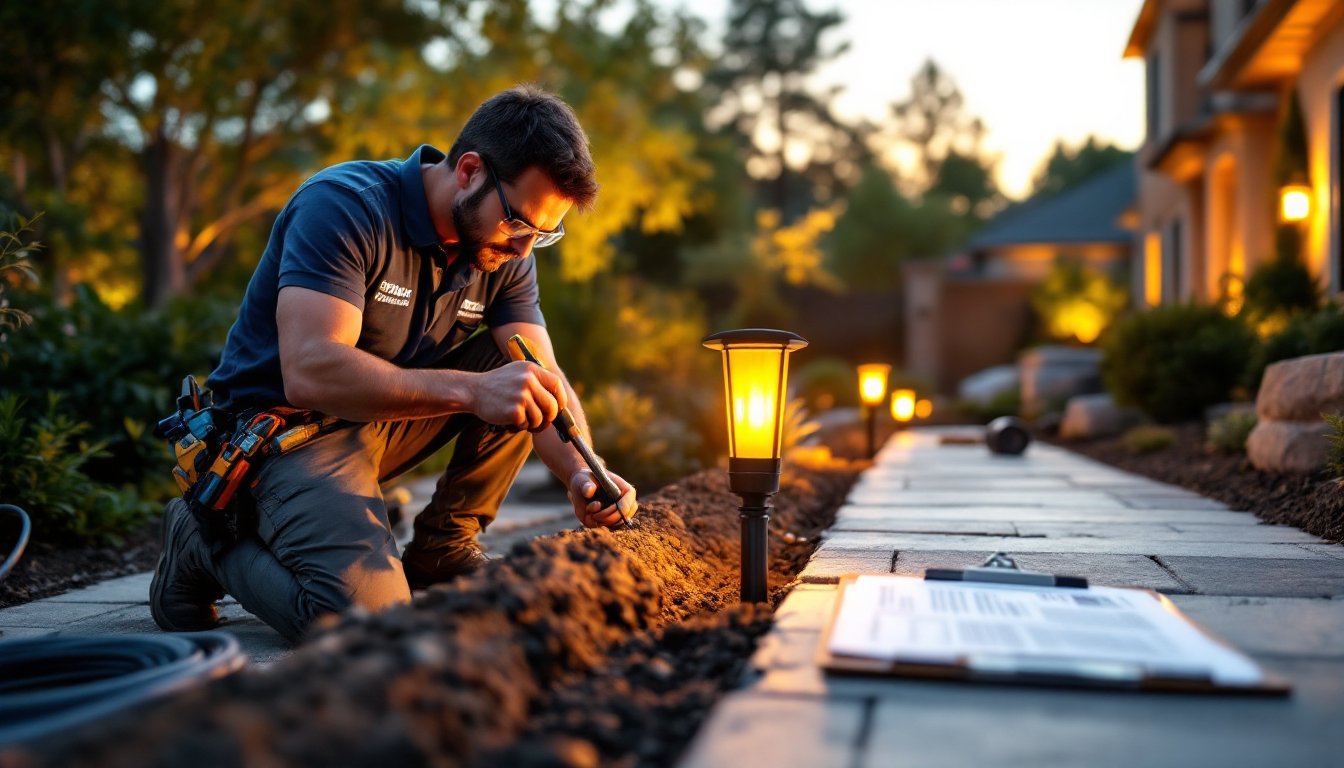
Beyond safety, professionals understand lighting design. The right contractor balances brightness levels, color temperature (warm vs. cool light), and fixture placement to avoid glare while creating the ambiance you want. They know which LED fixtures offer 15+ year lifespans versus cheaper options that dim or fail within two seasons. They’ll also handle trenching, conduit installation, and hiding wires so your yard looks polished, not cobbled together.
What to Look for in a Local Outdoor Lighting Contractor
Not all contractors who can wire a light fixture are qualified to design and install a comprehensive outdoor lighting system. Here’s what separates competent professionals from the rest.
Credentials, Licensing, and Insurance
A licensed electrician holds credentials from your state or local jurisdiction and carries liability and workers’ compensation insurance. Request proof of both, don’t just take a contractor’s word for it. In many states, any permanent outdoor wiring must be installed by a licensed electrician or under their supervision. Check with your local building department or licensing board to confirm requirements in your area.
Beyond licensing, look for contractors who hold certifications in outdoor lighting design or energy efficiency (NFPA, NEC, or LED manufacturer training). These credentials show they stay current with code changes and best practices. A contractor who can’t produce insurance documents or licensing info is a red flag, walk away.
Experience and Portfolio
Ask to see photos of completed installations, and push for details. How many outdoor lighting projects has the contractor completed? Do they specialize in landscape uplighting, path lighting, or deck systems, or do they handle the full spectrum? Request at least three references from homeowners with similar projects, not designer showpieces, but real residential yards.
During a portfolio review, look for evidence that fixtures are properly installed (not just jammed into the ground), that wiring is concealed (not stapled across fence lines), and that light distribution looks intentional, not scattered. Ask the contractor to explain their design choices for one of their projects. A good answer shows they considered the client’s needs and site conditions, not just standard placements.
Types of Outdoor Lighting Services Available
Professional outdoor lighting contractors typically offer several service categories, and understanding the differences helps you scope your project correctly.
Landscape Accent Lighting highlights plants, trees, water features, or architectural elements with uplighting, downlighting, or grazing techniques. A contractor will assess sight lines, shadow effects, and which fixtures work best for your plants and hardscape.
Path and Step Lighting improves safety by illuminating walkways, driveways, and deck edges. This work often involves low-voltage systems (12V or 24V) rather than line voltage (120V), making installation less invasive and code requirements more flexible.
Deck and Patio Lighting includes recessed step lights, rail-mounted fixtures, and overhead string or Edison bulb systems for entertaining spaces. These require careful electrical planning if going line voltage: low-voltage options are faster to install.
Automated Control Systems let homeowners dim lights, change color temperature, or set schedules via smartphone or voice control. Smart systems integrate with home automation platforms but add cost and complexity. Make sure any contractor installing smart controls can troubleshoot connectivity and firmware updates.
Solar and Hybrid Options are popular for path lighting and accent work because they avoid trenching. But, solar fixtures have lower output and don’t work well in shaded yards. Hybrid systems combine solar with grid power for reliability.
A capable contractor will recommend the right mix for your site and budget rather than pushing their most profitable option.
How to Find Outdoor Lighting Contractors Near You
Finding a qualified contractor starts with multiple sourcing methods to build a strong shortlist.
Online Directories and Review Sites: Google Local, Yelp, and the Better Business Bureau list contractors by location and show customer ratings. Filter for outdoor lighting or landscape lighting specialists. Read recent reviews closely, one-off complaints are normal, but patterns of unfinished jobs or poor communication are warnings.
Local Referrals: Ask neighbors who’ve had outdoor work done, or check with local landscape architects and designers. Contractors who work alongside other professionals usually maintain higher standards because their reputation feeds future business.
Contractor Networks: Organizations like the National Association of Landscape Professionals (NALP) and the Outdoor Lighting League have member directories. Member contractors have passed vetting and agree to ethical standards.
Calls to Local Building Departments: Staff can sometimes recommend contractors they see frequently pulling permits for quality work. They’ll also confirm licensing requirements in your jurisdiction.
Social Media and Websites: A contractor’s website or Instagram should showcase completed work. Look for before-and-after photos, customer testimonials, and clear descriptions of services. Avoid contractors with only stock photos or vague website copy.
Once you’ve identified 3–5 candidates, request in-person or virtual estimates from each. Cheap estimates that vastly undercut others often signal corner-cutting (undersized wire, low-quality fixtures, no permits).
Questions to Ask Before Hiring
The right questions during your consultation reveal how thorough and professional a contractor is.
On Design and Scope:
- “Will you create a lighting plan or site map before starting work?”
- “How do you decide on fixture placement and brightness levels?”
- “What’s the warranty on fixtures, and how long do they typically last?”
On Electrical Work:
- “Does this project require a permit? If so, will you pull it and handle inspections?”
- “What wire gauge and circuit protection will you use?”
- “Do you use GFCI protection on all outdoor circuits, and do you follow NEC code?”
- “Will wiring be buried, conduit-protected, or otherwise concealed?”
On Costs and Timeline:
- “What’s included in your estimate, fixtures, labor, trenching, permits?”
- “Are there additional costs if we discover irrigation lines or hardscape during digging?”
- “How long will the installation take?”
- “What’s your payment schedule?” (Avoid contractors who demand full payment upfront.)
On Service:
- “Do you provide maintenance or future adjustments after installation?”
- “If a fixture fails, how do you handle replacement?”
- “Can you adjust brightness or color temperature after installation?”
A contractor who answers thoughtfully and asks you clarifying questions about your vision is likely professional. Someone who brushes off questions or rushes through estimates isn’t worth hiring.