

In today’s world, energy efficiency isn’t just a buzzword; it’s a necessity. As concerns about climate change and rising energy costs grow, individuals and families are looking for practical ways to reduce their energy consumption. Simple changes can lead to significant savings on utility bills while also benefiting the environment.
From optimizing home appliances to making smarter lifestyle choices, energy-efficient tips can transform how people use energy. These strategies not only enhance comfort but also contribute to a sustainable future. Discovering effective ways to save energy can empower anyone to make a positive impact on their wallet and the planet.
Understanding Energy Efficiency
Energy efficiency refers to using less energy to provide the same service. By maximizing energy efficiency, individuals and families can significantly lower their energy consumption while maintaining comfort and functionality.
What Is Energy Efficiency?
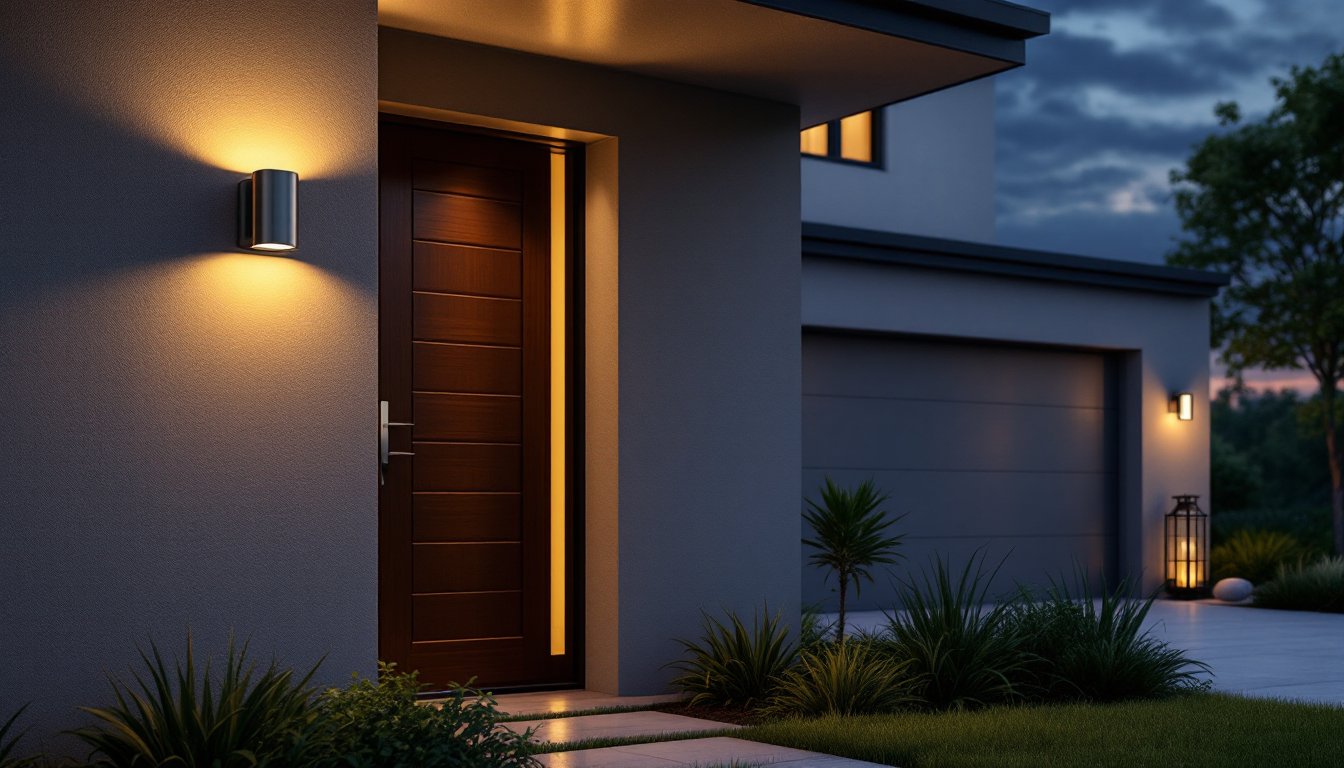
Energy efficiency involves utilizing technology and practices that reduce energy waste. Examples include using LED light bulbs, energy-efficient appliances, and proper insulation. These measures enable users to achieve the same level of service—lighting, heating, or cooling—while consuming less energy. According to the U.S. Department of Energy, implementing energy-efficient improvements can lead to a 25% to 30% reduction in energy usage.
Why It Matters
Energy efficiency plays a critical role in addressing climate change and economic concerns. It reduces greenhouse gas emissions, helping combat global warming. Additionally, energy-efficient practices lower energy bills, saving households hundreds of dollars annually. According to the International Energy Agency, energy efficiency can account for up to 40% of the global effort to reduce energy-related CO2 emissions. Making energy-efficient choices supports sustainability while enhancing energy security and resilience.
Home Energy-efficient Tips
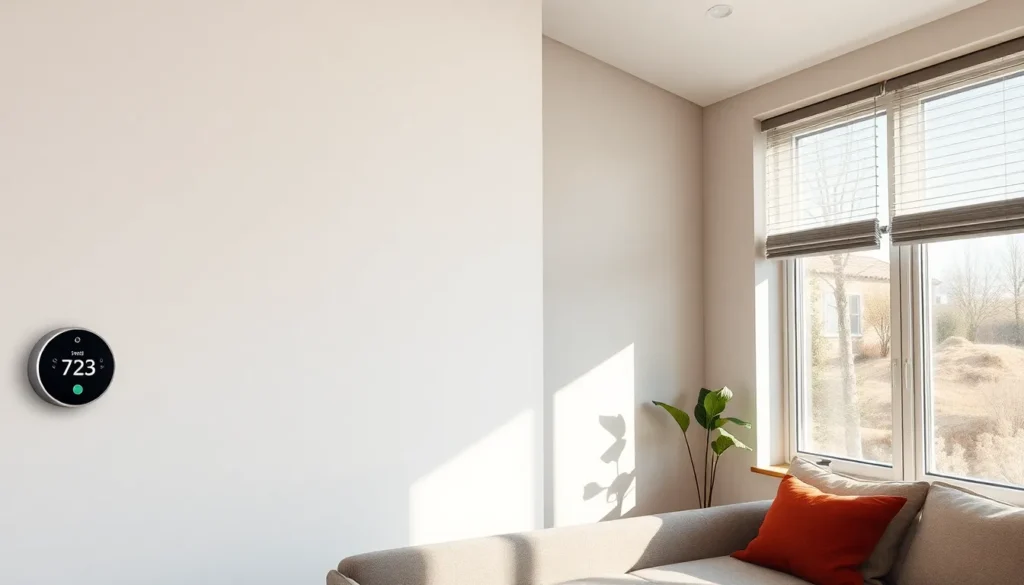

Implementing energy-efficient practices at home significantly reduces energy consumption and enhances comfort. Simple improvements in insulation and the use of smart thermostats can lead to considerable savings.
Insulation Improvements
Proper insulation is crucial for maintaining a comfortable indoor environment. Effective insulation minimizes heat loss in winter and keeps homes cooler during summer months. Consider these key insulation improvements:
- Attic Insulation: Adding at least 10 to 14 inches of insulation in the attic can improve energy efficiency by up to 15%. Materials like fiberglass or foam board are effective options.
- Wall Insulation: Retrofitting exterior walls with insulation can decrease energy usage by 10% or more, depending on the existing insulation’s condition.
- Windows and Doors: Sealing gaps with weatherstripping and using energy-efficient window treatments can reduce drafts and save 5% to 10% on heating and cooling costs.
- Basement Insulation: Insulating basement walls can lead to energy savings of about 20% for homes in cooler climates by maintaining heat.
Smart Thermostats
- Learning Capability: Smart thermostats learn user schedules, adjusting temperatures automatically for optimal efficiency. This reduces energy consumption by approximately 10% to 15%.
- Remote Access: Users can manage home temperatures from smartphones, ensuring energy savings when away or during vacation periods.
- Energy Usage Reports: Smart thermostats provide regular reports on energy use, helping users identify patterns and areas for improvement.
- Integration with Smart Home Systems: Many smart thermostats integrate seamlessly with home automation systems, allowing for efficient management of multiple devices and further energy savings.
Energy-efficient Tips for Appliances
Energy-efficient appliances help reduce energy consumption, lower utility bills, and minimize environmental impact. Here are practical tips to enhance energy efficiency with appliances.
Choosing Energy Star Products
Selecting Energy Star certified products ensures optimal energy savings. Energy Star appliances use 10% to 50% less energy than non-certified models, significantly reducing energy costs. Look for the Energy Star label on dishwashers, refrigerators, washing machines, and air conditioners. These products often exceed minimum efficiency standards, providing reliable performance while promoting sustainability.
Maintenance and Upgrades
Regular maintenance prolongs the life of appliances and enhances their efficiency. Clean filters in air conditioners and refrigerators every few months to ensure optimal airflow. Consider upgrading outdated appliances to newer, energy-efficient models that consume less energy and water. Replacing an old refrigerator, for example, can save a household up to $200 annually in energy costs. Additionally, ensure proper installation and calibration of appliances to maximize energy savings.
Transportation Energy-efficient Tips
Transportation plays a crucial role in energy consumption. Implementing efficient strategies can reduce emissions and lower costs.
Public Transport Options
Using public transportation significantly decreases individual carbon footprints. Buses and trains can carry multiple passengers, lead to less congestion, and reduce the overall number of vehicles on the road. Cities offering robust public transit systems often report a reduction in greenhouse gas emissions by up to 45%, promoting air quality and sustainability.
Carpooling and Ride-sharing
Carpooling and ride-sharing provide excellent alternatives to single-occupancy vehicles. Sharing a ride lowers fuel costs and reduces road congestion. Studies show that carpooling can cut fuel usage by 25% per passenger, translating to substantial savings. Many apps facilitate ride-shares, making it easy to connect with others traveling in the same direction.
Workplace Energy-efficient Tips
Workplace energy efficiency plays a crucial role in lowering operational costs and enhancing sustainability. Implementing effective practices within the workplace can lead to significant reductions in energy consumption.
Energy-efficient Lighting
Energy-efficient lighting optimizes electricity usage and improves workplace ambiance.
- Use LED bulbs: LED bulbs consume 75% less energy compared to traditional incandescent bulbs, and they last 25 times longer.
- Incorporate natural light: Designing offices with ample windows reduces reliance on artificial lighting during daylight hours, promoting both energy savings and employee well-being.
- Install motion sensors: Utilizing motion sensors ensures lights only operate when rooms are in use, leading to potential savings of 30% or more on lighting costs.
- Implement dimmable fixtures: Dimmable lighting allows for adjustments based on occupancy and time of day, facilitating energy conservation.
Encouraging Remote Work
Encouraging remote work can significantly decrease the energy demand associated with running a physical office.
- Leverage technology: Utilizing collaboration tools like Slack or Zoom enables effective communication, facilitating remote work without the need for constant in-office presence.
- Offer hybrid work options: Hybrid models allow employees to spend part of the week working remotely, reducing overall energy usage in the office.
- Promote flexible schedules: Allowing employees to choose their work hours minimizes peak energy demand in the office, creating opportunities for more efficient energy use.
- Implement energy-saving guidelines: Provide resources on energy-efficient practices for remote workspaces, advising staff on how to maintain efficiency at home.