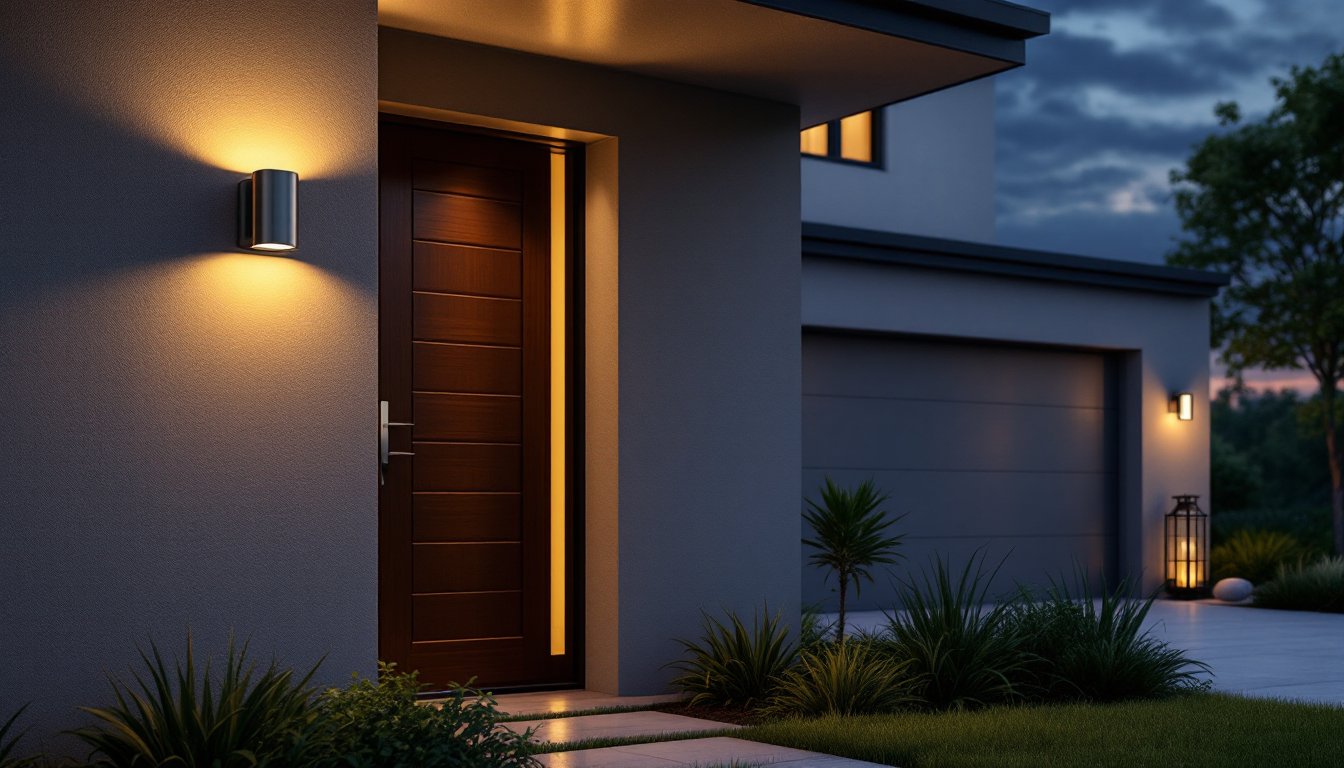

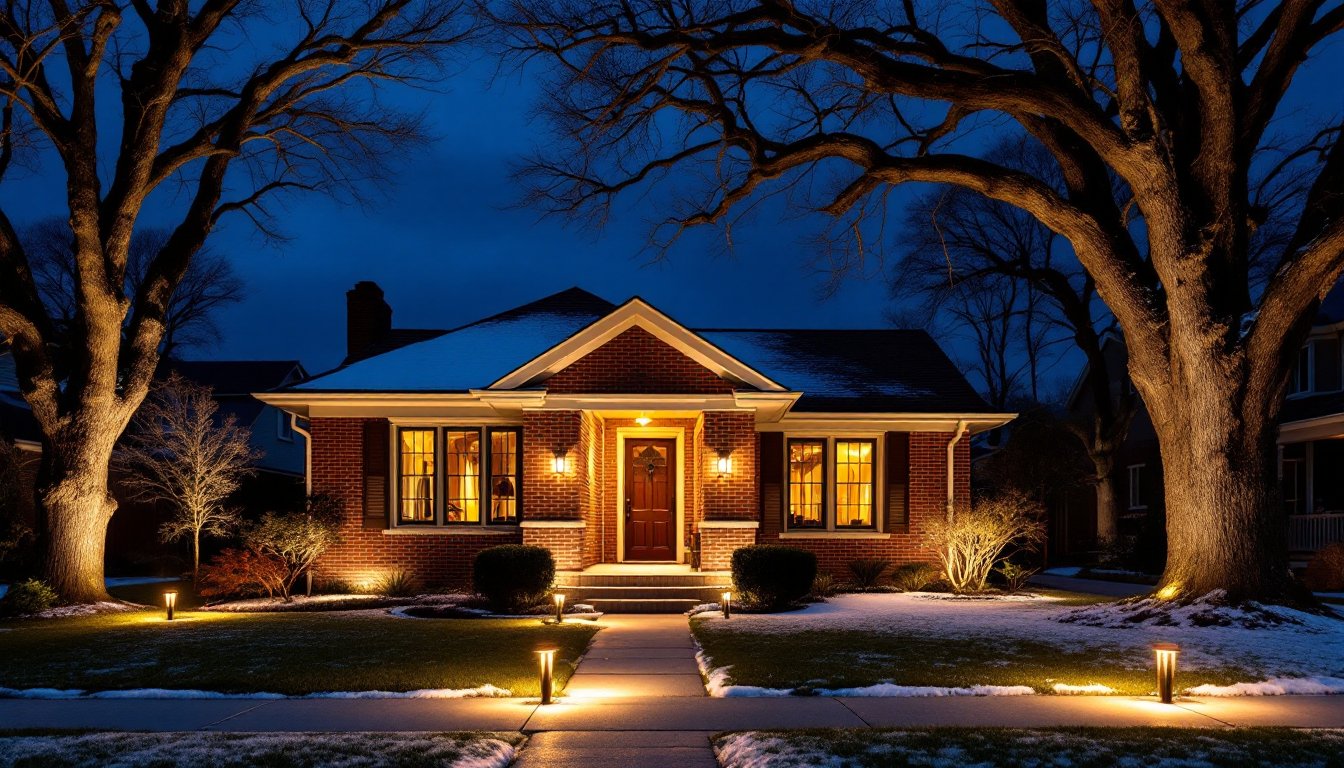
Landscape lighting in Chicago isn’t just about aesthetics, it’s about making outdoor spaces safer, extending usable hours into the evening, and protecting your property year-round. Chicago’s harsh winters, lake-effect humidity, and long dark stretches demand fixtures that can handle freeze-thaw cycles and salt air. Whether you’re a homeowner wanting to highlight your patio or a business looking to secure your storefront, the right outdoor lighting setup pays dividends. This guide walks through the landscape lighting essentials specific to Chicago’s climate and building standards, covering fixture types, design principles, and when to call a professional.
Table of Contents
ToggleKey Takeaways
- Landscape lighting in Chicago enhances safety, curb appeal, and security while extending usable outdoor hours through the long winter darkness.
- LED fixtures are the superior choice for Chicago’s climate, using 75–80% less energy than traditional options and better surviving freeze-thaw cycles that damage older halogen and incandescent fixtures.
- Plan your landscape lighting design with Chicago’s harsh winters in mind by using stainless steel or marine-grade fixtures, burying UV-stabilized cable 6 inches deep, and testing layouts during winter conditions.
- Path lights spaced 6–8 feet apart, combined with strategic spotlights and accent lighting, create safe and welcoming outdoor spaces without light pollution or neighbor conflicts.
- Landscape lighting systems can be DIY projects using low-voltage kits ($300–800) or professionally installed by contractors ($2,000–6,000), with maintenance limited to annual lens cleaning and wire inspections.
- Smart dimming controls and layered lighting design allow you to reduce brightness after 10 p.m., saving energy while respecting neighbors and extending fixture lifespan.
Why Landscape Lighting Matters for Chicago Homes and Businesses
Landscape lighting serves three core purposes: safety, curb appeal, and security. In Chicago, where winter darkness stretches from roughly 4:30 p.m. in December through January, outdoor spaces need intentional illumination to remain functional and welcoming. Well-placed lights guide visitors safely along pathways, reduce trip hazards, and deter unwanted activity around entryways and perimeters.
From a property standpoint, landscape lighting adds perceived value. A home with a lit driveway, uplighting on foundation plantings, or accent lighting on architectural features looks more polished and deliberate than one left dark. Chicago’s architectural character, from vintage bungalows to modern condos, shines differently under thoughtful lighting design.
Businesses benefit equally. Restaurants with outdoor seating extend their seasons. Retail locations with well-lit facades increase foot traffic confidence. Office parks with pathway lighting improve employee security and comfort when arriving early or leaving late. The upfront cost of a landscape lighting system typically pays back through improved perceived safety, extended use, and modest property value gains.
Types of Landscape Lighting Solutions
Path Lights, Spotlights, and Accent Lighting
Path lights are the workhorses of landscape lighting. These low-voltage fixtures, typically 2–3 feet tall, line driveways, walkways, and garden borders. They provide ambient light and visual guidance without glare. Install them 6–8 feet apart for continuous light coverage along paths. Most Chicago homes use 4-watt to 8-watt LED path lights: older halogen or incandescent versions draw more power and run hotter, increasing cooling costs and fixture failure in freezing conditions.
Spotlights and uplights highlight focal points: mature trees, architectural details, or landscape features. A 10–20-watt LED spotlight can illuminate a 20-foot oak from 15 feet away without overwhelming neighboring properties. Angle spotlights at 30–45 degrees to avoid light pollution and glare. This is especially important in Chicago’s urban neighborhoods, where sky glow and neighborly relations matter.
Accent lighting uses lower wattage and softer angles to create depth and mood. Downlights mounted in eaves or trees wash softer light across patios and seating areas. Grazing lights positioned low and parallel to walls emphasize texture and architectural interest. Use accent lighting sparingly, it’s the seasoning, not the main course.
LED vs. Traditional Outdoor Fixtures
LED fixtures dominate the 2026 landscape lighting market, and for good reason. They use 75–80% less energy than halogen or incandescent equivalents, run cool to the touch, and last 25,000–50,000 hours (versus 1,000–4,000 for incandescent). For Chicago’s variable climate, cool operation is crucial, LED fixtures survive freeze-thaw cycles better and won’t degrade plastic housings or corrode internal components as quickly.
LED color temperature matters. Outdoor fixtures typically come in 2700K (warm white, similar to candlelight), 3000K (neutral warm), or 5000K (cool white, similar to daylight). For residential landscape lighting in Chicago, 2700K–3000K LEDs provide a classic, welcoming tone that complements most architectural styles. Cooler temperatures work better for security and task lighting but can look sterile in residential settings.
Traditional halogen and incandescent fixtures are cheaper upfront but costlier to run and maintain. A halogen path light drawing 20 watts costs roughly $3–4 per month to operate continuously: a 4-watt LED costs $0.30–0.50. Over a five-year system lifespan, the savings are substantial. Traditional fixtures also heat up, which can damage surrounding plants and is a safety concern near wood structures or railings. Unless you’re replacing existing fixtures and want to reuse infrastructure, LEDs are the practical choice in 2026.
Designing a Landscape Lighting System for Chicago’s Climate
Chicago’s landscape lighting design must account for snow, ice, salt, and seasonal darkness. Here’s how to approach it.
Winter readiness is non-negotiable. Install fixtures with stainless steel or marine-grade aluminum housings: powder-coated steel will rust in road salt spray. Bury low-voltage wiring at least 6 inches deep to prevent freeze-thaw heave from lifting lines or damaging splices. Use UV-stabilized, cold-rated cable, standard PVC insulation becomes brittle below freezing and cracks under ground movement. All outdoor outlets must be GFCI-protected (ground-fault circuit interrupter) per the National Electrical Code: this isn’t a suggestion, it’s code in Illinois.
Design for shadow and snow. Test your lighting plan in winter, when trees are bare and angle-of-sun is lower. A light that looks perfect in July may cast harsh shadows or reflect off snow in January. Plan uplighting from multiple angles so a snow-covered planting doesn’t go dark. Avoid uplighting directly into deciduous trees in summer, which floods adjacent properties with stray light.
Layering and zoning prevent over-lighting. Use a dimmer or smart controls to run full brightness at dusk, then dial down to 25–50% after 10 p.m. This saves energy, respects neighbors, and extends fixture lifespan. Most Chicago outdoor codes don’t restrict brightness, but neighborly etiquette and personal comfort benefit from restraint.
Spacing and layout follow the 5:1 rule: the distance between fixtures should be no more than five times the mounting height. For 2-foot-tall path lights, space them 10 feet apart. This creates continuous, even light without dark gaps. For residential lots, a typical plan includes: path lights along the driveway and main walk (10–15 fixtures), 2–3 accent lights on the front facade or landscape features, and 1–2 uplights on focal points. A 2,000-square-foot residential lot might use 12–18 fixtures totaling 40–80 watts, easily powered by a single 120-watt transformer.
Professional Installation and Maintenance
Landscape lighting can be a weekend DIY project or a professional installation, depending on scope and electrical integration. Low-voltage lighting (12V or 24V) powered by a transformer in a garage or shed is straightforward and doesn’t require a permit in most Chicago jurisdictions. Trenching, burying wire, and placing fixtures are tasks a homeowner can handle. If you’re running line voltage (120V or 240V) outdoor circuits, you’ll need a licensed electrician and likely a permit from the City of Chicago. Don’t skip this step, unsafe wiring invites fire, shock hazards, and code violations.
DIY approach: Purchase a low-voltage kit with transformer, timer, and fixtures ($300–800). Rent a walk-behind trencher ($50–75/day) to dig your main run. Install the transformer near an outdoor outlet, bury the cable, and insert fixtures at your marked spots. Test before burying and securing permanently. Plan for 4–6 hours on a clear day for a typical residential job.
Professional installation: A landscape lighting contractor handles design, trenching, wiring, fixture placement, and programming. Chicago-area professionals typically charge $2,000–6,000 for a residential system, depending on property size, fixture count, and hardscape complexity. They’ll pull permits, ensure code compliance, and warranty their work. For businesses or complex systems, this is the safer route.
Maintenance is modest. Clean fixture lenses annually (especially after Chicago’s dusty summers). Check connections and replace any corroded hardware. LED bulbs rarely fail, but if a fixture stops working, it’s usually a wiring issue or transformer malfunction, not the bulb. Replace transformers every 7–10 years as a preventive measure. In fall, inspect wire runs before freezing weather and repair any damage. In spring, check for soil settling that may have lifted or tilted fixtures out of alignment.
Conclusion
Landscape lighting in Chicago transforms outdoor spaces from dark and unwelcoming to safe, functional, and beautiful. The right fixture types, thoughtful design accounting for Chicago’s harsh climate, and proper installation ensure your system lasts years and performs as intended. Start with a clear plan, identify what you want to light and why, then choose LED, low-voltage fixtures suited to freeze-thaw cycles and salt air. Whether you DIY or hire a pro, invest in quality materials and proper installation. Your investment pays dividends in safety, curb appeal, and season-extended enjoyment of your outdoor space.