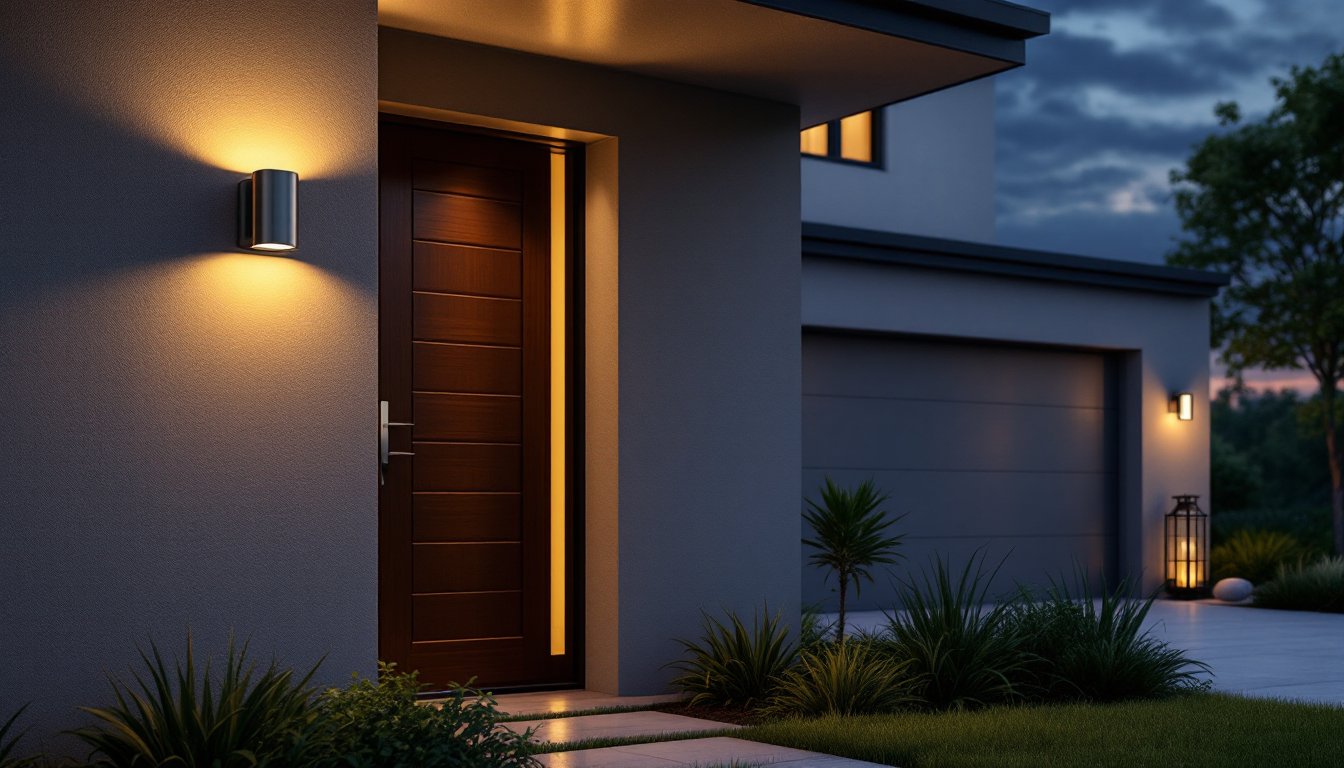

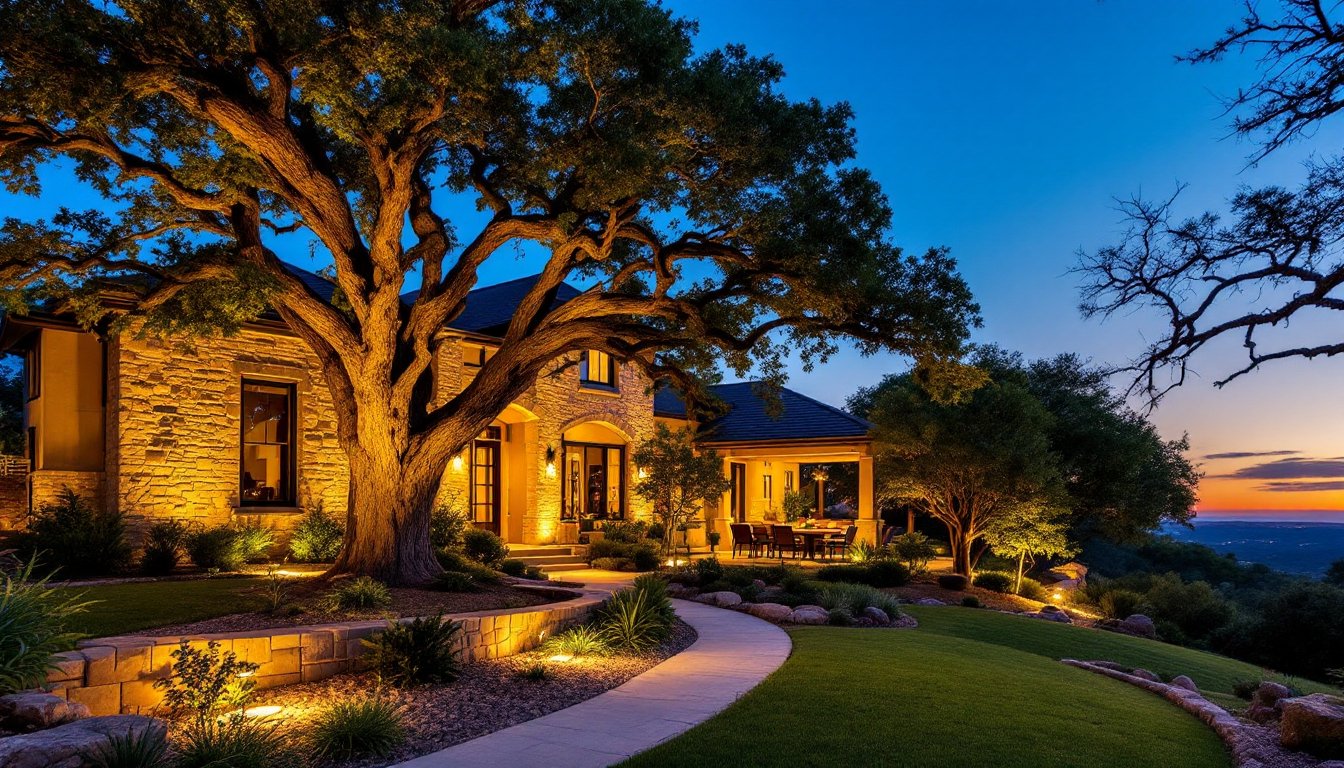
Austin’s outdoor living season stretches nearly year-round, making landscape lighting a practical investment rather than a luxury. Whether a homeowner is looking to highlight a mature oak tree, light a winding pathway, or create ambient mood on a back patio, well-designed landscape lighting transforms the usability and curb appeal of Austin properties. The challenge? Austin’s unique climate, intense summer heat, occasional freezes, and brilliant daylight, demands fixtures and strategies tailored to the region. This guide walks through the essentials of landscape lighting for Austin homes, from choosing the right fixture types to understanding how heat and humidity affect placement and longevity.
Table of Contents
ToggleKey Takeaways
- Landscape lighting in Austin serves three critical functions—safety, security, and aesthetics—while extending your outdoor living season year-round and increasing property value for potential buyers.
- Austin’s extreme heat and humidity demand heat-resistant fixtures made from sealed brass or stainless steel rather than aluminum; LED fixtures are ideal because they generate minimal thermal stress on connections and seals.
- Proper placement is essential: position uplighting fixtures 18–24 inches from the feature at 45–60 degrees, and space path lights every 8–10 feet for safe footing without glare.
- Landscape lighting in Austin works best when you prioritize safety first (pathways and steps), then accent focal features (trees, architectural details), and finally add ambient patio lighting for entertaining.
- Warm white light (2700K or lower) complements Austin’s limestone, stucco, and native plants and creates a welcoming atmosphere, while avoiding overlighting prevents washed-out textures and glare.
- Use 12V low-voltage wiring buried 8–12 inches deep with GFCI-protected transformer placement in shaded, protected areas to manage heat exposure and ensure system longevity in Austin’s climate.
Why Landscape Lighting Matters for Austin Homes
Landscape lighting serves three critical functions: safety, security, and aesthetics. A well-lit pathway or deck extends usable hours into the evening, reduces tripping hazards, and makes the home appear occupied when residents are away. For Austin specifically, where many homes feature native stone, stucco, or mature landscaping, lighting acts as a design tool that reveals architectural details and emphasizes curb presence.
Austin’s extended outdoor season means entertaining on a patio or deck isn’t a summer novelty, it’s a lifestyle baseline. Dark corners and unlit pathways become liabilities, especially on a lot with level changes, rocky terrain, or pool features. Beyond function, landscape lighting increases property value. Potential buyers in the Austin market respond strongly to homes that showcase outdoor spaces effectively after dark.
Damage from heat and humidity is also a real concern. Austin summers regularly exceed 95°F, and fixtures exposed to direct sun and afternoon heat can see shortened lifespans if materials and wiring aren’t chosen carefully. Choosing the right hardware upfront means fewer failed bulbs, corroded connections, and warranty claims down the road.
Key Lighting Types for Austin’s Climate and Architecture
Uplighting and Accent Lighting for Focal Points
Uplighting, directing light upward from ground level toward a feature, is the workhorse of landscape design. A homeowner might uplight a mature oak, a stone chimney, or a specimen plant to create drama and depth. In Austin’s architecture, uplighting reveals the texture of limestone facades, emphasizes architectural angles, and creates shadow play that changes as the sun moves.
When placing uplighting fixtures, position them 18 to 24 inches away from the base of the feature, angled upward at 45 to 60 degrees. This distance prevents light from washing out the feature and avoids harsh shadows directly above. For an oak or large shrub, one or two fixtures are often sufficient: larger architectural elements may need three or four.
Accent lighting, a broader term for highlighting specific landscape elements, uses similar low-voltage fixtures but with tighter beam spreads. A pathway with accent lights along planted beds creates layers of illumination. Austin’s intense sunlight means accent lighting becomes most impactful after dusk, so plan fixtures to complement, not overpower, moonlight.
Material choice matters in Austin’s heat. Look for sealed brass or stainless steel fixtures rather than aluminum bodies, which can corrode faster in humidity. LED versions generate minimal heat, reducing thermal stress on connections and seals.
Path and Ambient Lighting for Safety and Ambiance
Path lighting is the safest, most straightforward landscape lighting investment. Placing small, shielded fixtures at 24 to 36-inch height along walkways, driveways, and steps provides safe footing without glare. In Austin, where evening temperatures remain comfortable into fall, a lit pathway becomes an extension of social space.
Ambient lighting, soft, diffuse illumination across a patio or seating area, differs from task lighting (focused beams on a grill or workspace). For ambient effects, homeowners typically use string lights, lanterns, or flush-mounted fixtures positioned 8 to 10 feet overhead. Austin’s clear skies make ambient lighting feel intimate without the need for overly bright sources.
When choosing path and ambient fixtures, confirm they’re rated IP67 or higher, meaning they’re dust- and submersion-resistant. Austin’s dust storms and occasional heavy rain require robust sealing. Solar path lights are tempting for cost, but Austin’s intense sun degrades many budget-level batteries within two to three seasons: investing in wired, LED-powered fixtures typically costs less over time.
For ambient lighting on a patio, consider whether you need dimmable controls. A simple dimmer allows the same fixture to serve as mood lighting for an evening gathering and task lighting when needed. Pair this with a timer or smart controller to reduce manual switching and extend fixture life by limiting runtime.
Design Principles for Austin Landscapes
Successful landscape lighting in Austin balances aesthetics with the region’s environmental demands. Start by identifying focal points: a specimen tree, water feature, entry, or architectural detail. Assign lighting priorities, safety first (pathways, steps, and driveway), accent second (focal features), and ambiance last (patio and seating areas).
Color temperature affects how a space feels. Warm white light (2700K or lower) complements limestone, stucco, and native plants and feels welcoming on a patio. Cool white (4000K and above) emphasizes modern architecture and hardscapes but can feel clinical for entertaining. In Austin’s warm climate, homeowners typically prefer warm tones that echo sunset colors.
Avoid overlighting. A common mistake is installing too many fixtures or fixtures that are too bright, which washes out texture and creates glare. A single uplighting fixture on a mature tree, thoughtfully placed, accomplishes far more than three overpowered fixtures. Aim for even illumination without dark gaps, this usually means spacing path lights every 8 to 10 feet and using fixtures rated 12V or less for residential work, which reduces shock risk and allows for longer wire runs without voltage drop.
Wiring and installation demand careful planning. Austin’s rocky soil means burying low-voltage cable in trenches at least 8 to 12 inches deep to protect against damage from future digging or landscaping. Use conduit in high-traffic areas. Connect fixtures to a dedicated landscape lighting transformer (typically 12V, 300 to 600 watts) plugged into a GFCI-protected outlet on the home’s exterior. This setup is DIY-friendly and avoids the need for a licensed electrician in most cases, though local code variations exist, confirm with the local jurisdiction.
Heat management in Austin requires attention. Install fixtures in shaded areas where possible, and position wiring away from south-facing walls that radiate absorbed heat. Landscape lighting transformers should sit in a protected spot, an outdoor electrical enclosure, under an eave, or in a garage, to prevent overheating. Regularly check connections for corrosion, especially after hot, humid months.
Conclusion
Landscape lighting transforms an Austin home’s outdoor identity, extending usable space well into evening and highlighting the architectural and natural features that make the property unique. Choosing durable, heat-resistant fixtures, planning for Austin’s intense sun and occasional humidity, and prioritizing safety and focal features creates a lighting scheme that lasts years while delivering immediate curb and lifestyle value. Start small with path and accent lighting, then expand with ambient features as the design develops. A thoughtfully lit landscape is an investment in both the home and the Austin lifestyle.