
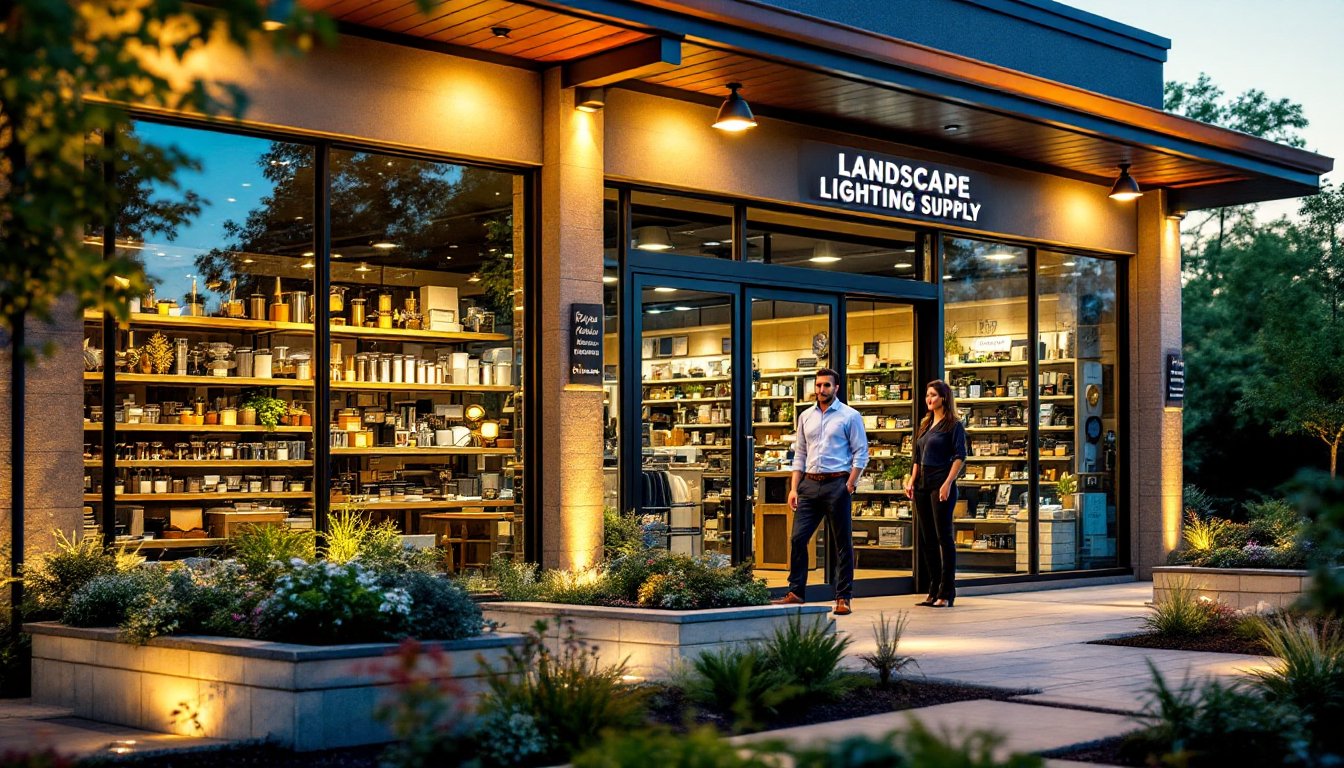
When a homeowner decides to light up their yard, the first instinct is often to search “landscape lighting supply stores near me”, and that’s the right move. Shopping locally for landscape lighting supplies offers advantages that big-box retailers and online options can’t always match: immediate access to products, knowledgeable staff who understand regional outdoor conditions, and the ability to see fixtures in person before committing to a purchase. Whether someone is installing solar path lights for a subtle garden glow or running low-voltage LED systems across a deck, finding the right local supplier makes the difference between a DIY win and a frustrating project stall. This guide walks homeowners through locating quality landscape lighting stores nearby, understanding what separates good retailers from the rest, and making smart purchasing decisions.
Table of Contents
ToggleKey Takeaways
- Shopping at landscape lighting supply stores near you provides immediate product access, expert regional knowledge, and the ability to see fixtures in person before purchasing.
- Quality landscape lighting retailers stock diverse options including solar, low-voltage (12V), and line-voltage systems, with staff who understand color temperature, IP ratings, and installation requirements.
- Local stores often match competitor prices, offer bulk discounts, and provide design consultations or referrals to licensed electricians for proper installation and permit coordination.
- Budget for infrastructure components beyond fixtures—transformers ($30–$150), wire, timers, and connectors—to accurately estimate the total cost of a low-voltage or line-voltage system.
- Search Google Maps or Yelp for landscape lighting stores with consistent five-star reviews and verified installation partnerships; avoid retailers that lack warranty coverage or refuse returns.
- Timing matters: avoid shopping during peak season (late spring/summer) to secure better deals, but ensure your climate allows installation before winter cold makes ground difficult to work with.
Why Shop Local For Landscape Lighting Supplies
Local landscape lighting supply stores offer something online retailers and big-box chains struggle to provide: expertise matched to regional climate and soil conditions. A store in Arizona knows about UV resistance and heat stress on outdoor fixtures: one in the Pacific Northwest understands moisture and corrosion issues in marine environments. Staff at local suppliers typically have hands-on experience with what performs well in their area.
Immediate availability is another practical win. If a fixture breaks mid-project, a local store can often replace it same-day. Online ordering means waiting 3-7 days while work stalls. Local retailers also let customers see products under proper lighting before buying, something photos can’t replicate. A low-voltage LED path light that looks sleek online might cast harsh shadows in person, or a solar fixture’s brightness may disappoint when viewed in-store.
Shopping local supports the neighborhood economy and builds relationships with people who understand the community’s specific challenges. That connection often translates to better advice when planning a lighting layout or troubleshooting a installation problem.
What To Look For In A Quality Landscape Lighting Store
A solid landscape lighting retailer stocks a diverse range of fixture styles and power sources. Look for stores that carry LED options (more efficient than older halogen or incandescent), solar-powered fixtures (good for pathways and accent lighting), and line-voltage and low-voltage systems. A quality store won’t push one technology over another: staff should ask questions about the customer’s goal and site conditions before recommending a solution.
Staff knowledge matters more than store size. The person behind the counter should be able to explain the difference between color temperature (warm 2700K vs. cool 5000K light), discuss fixture IP ratings (water and dust protection), and troubleshoot wiring issues. If an employee can’t answer a question, they should offer to find someone who can or provide a resource for research.
Check whether the store offers design consultations or installation services. Many don’t install themselves, but reputable retailers partner with licensed electricians and can coordinate the work. Ask if they carry transformers, timers, connectors, and wire, the supporting hardware that makes systems actually work. A store stocking only finished fixtures without infrastructure components is incomplete.
Reviews and reputation signal reliability. Check Google, Yelp, or the Better Business Bureau for patterns. One bad review happens: consistent complaints about quality, service, or prices suggest real issues.
Types Of Landscape Lighting Products Available
Quality landscape lighting stores typically organize inventory into several categories. Solar landscape lights include path lights, spotlights, and accent fixtures powered by daytime sun. They’re easy to install (no wiring) but rely on battery capacity and daylight hours, they underperform in shaded yards or winter climates.
Low-voltage (12V) systems use a transformer plugged into a standard outlet, with underground or above-ground wiring running to multiple fixtures. They’re efficient, allow precise control over brightness, and suit complex layouts. The trade-off: installation involves burying wire and mounting a transformer.
Line-voltage (120V or 240V) fixtures deliver consistent power and handle larger installations, but require licensed electrician work and often a permit. These suit permanent installations or extensive commercial sites.
Smart lighting systems (WiFi-enabled fixtures controlled by apps or voice commands) are growing in popularity. They cost more upfront but offer scheduling, color-tuning, and remote management. Local stores should stock traditional and smart options.
Material variations matter: brass and stainless steel resist corrosion better than painted aluminum: frosted or diffused lenses reduce glare compared to clear ones. A good retailer can explain these durability differences and recommend appropriate materials for the customer’s climate and budget. Ask which fixtures are rated for salt air if coastal, or high heat if in direct sun.
How To Search For Stores Near Your Location
Start with a simple Google search: “landscape lighting supplies near me” or “outdoor lighting stores [your city].” Google Maps will populate nearby results with hours, ratings, and customer reviews. Check the store’s website or call ahead to confirm they stock what you need before making the trip.
Nurseries and garden centers often carry a solid range of landscape lighting alongside plants and hardscape materials. They may not have the depth of an electrical-supply specialist, but staff understand outdoor environments and can suggest fixtures that coordinate with landscaping.
Independent electrical supply stores typically stock professional-grade low-voltage and line-voltage components, including transformers, wire, and connectors. They cater to electricians but welcome DIYers: don’t assume you need a license to shop there.
Home improvement centers (big-box retailers) carry basic options but rarely offer expert consultation. Use them for commodity items like solar stakes or standard fixtures if local options are limited.
Check Yelp, Google Reviews, and the Better Business Bureau for legitimate stores in your area. Pay attention to reviewer comments about staff helpfulness, product quality, and whether installation services are available. A store with 40 five-star reviews and helpful responses to questions is safer than an option with one vague listing and no contact information.
Getting Expert Advice And Installation Services
Many local landscape lighting stores offer design consultations, sometimes free for larger projects. A designer can assess the yard’s layout, identify focal points (trees, pathways, architectural features), and recommend fixture placement for best effect and efficiency. They’ll ask about electricity access, existing hardscape, and aesthetic preferences, questions a homeowner might not think to consider alone.
If the store doesn’t install, ask for referrals to licensed electricians or landscape contractors they’ve worked with. A retailer willing to recommend trusted partners is more credible than one that pushes customers toward unknown service providers. Get multiple quotes for any installation work: pricing varies widely based on scope, wiring distance, and complexity.
For line-voltage work (anything hardwired to the home’s electrical panel), a licensed electrician and likely a building permit are non-negotiable. Local codes vary, but most jurisdictions require permits for outdoor electrical installations to ensure safety and compliance. The electrician will pull the permit, handle inspections, and ensure the work meets NEC (National Electrical Code) standards.
Low-voltage systems are usually DIY-friendly, but stores should provide clear wiring diagrams and safety information. Ask about warranty coverage and whether the retailer supports post-purchase troubleshooting.
Comparing Prices And Finding The Best Deals
Landscape lighting prices vary by quality, brand, and power source. A solar path light might range from $15 to $60 depending on lumen output and material. A low-voltage LED spotlight typically costs $20 to $100 per fixture. Line-voltage fixtures and installation can run hundreds to thousands for a complete system. Don’t compare price alone: compare warranty, lumen output (brightness), and fixture lifespan.
Local stores often match prices or offer loyalty discounts if you ask. Buying multiple fixtures from one retailer sometimes earns a bulk discount. Bundle deals (e.g., a transformer, wire, and five fixtures at a reduced rate) are common.
Budget for infrastructure: transformers ($30–$150), wire ($0.50–$1.50 per foot), timers, and connectors add up. A complete low-voltage system is rarely just the light fixtures, account for supporting components in your cost estimate.
Time the purchase strategically. Late spring and early summer are peak season: prices stay high and inventory can be limited. Fall and winter often bring clearance discounts as retailers clear shelves. But, winter is poor timing for installation in cold climates because frozen ground makes wiring difficult.
Compare warranties and return policies. Quality retailers offer 2-5 year warranties on fixtures and will accept returns within 30 days if a product doesn’t suit the application. A store refusing returns or offering no warranty signals potential quality issues.
Conclusion
Finding the right landscape lighting supply store nearby comes down to stocking quality, knowledgeable staff, and fair pricing. Start with local searches, check reviews, and visit in person to see products and ask questions. A good retailer offers variety, explains options honestly, and supports customers before and after the sale. Whether the project is a simple solar installation or a complex low-voltage system, the right local supplier makes the work faster, more confident, and eventually more successful.