
Outdoor lighting transforms a backyard from an after-dark no-man’s-land into a functional, inviting space. Whether someone wants to highlight landscape features, light a patio for entertaining, or improve security around the home’s perimeter, the right outdoor lighting guide makes all the difference. Good outdoor lighting isn’t just about aesthetics, it extends usable hours, boosts safety, and can increase property value. The 2026 market offers smarter, more efficient options than ever before, from solar-powered solutions to low-voltage LED systems that don’t require a licensed electrician for basic installation. This guide walks through fixture types, design principles, installation basics, and energy-conscious choices to help anyone create an outdoor lighting plan that actually works.
Table of Contents
ToggleKey Takeaways
- An effective outdoor lighting guide combines landscape lights, pathway fixtures, and accent lighting in layered zones to balance function, safety, and aesthetics without wasting energy.
- LED technology uses 80% less energy than incandescent bulbs and lasts 25–50 times longer, making it the most cost-effective choice for residential outdoor lighting projects.
- Low-voltage and solar outdoor lighting systems are DIY-friendly alternatives that avoid the need for a licensed electrician, though hardwired 120V systems typically require professional installation and permits.
- Proper brightness levels matter: aim for 0.5–1.0 footcandles for ambient garden lighting, 3–5 for patios, and 5–10 for entryways to avoid harsh shadows and excessive energy consumption.
- Solar pathway lights and motion-sensor security fixtures are ideal for convenience and savings, but check local building codes first and always call locate.com before digging to avoid hitting buried utilities.
- Test your outdoor lighting layout at dusk before finalizing installation to ensure fixtures perform well year-round and highlight focal points like trees, sculptures, or architectural details.
Understanding Outdoor Lighting Basics
Before picking fixtures, understand how outdoor lighting works. Lumens measure brightness (more lumens = brighter light), while color temperature, measured in Kelvin (K), determines warmth. Warmer light (2700K–3000K) feels cozy and residential: cooler light (4000K–5000K) suits task areas like decks or driveways. Voltage matters too. Standard 120V hardwired systems require trenching and permits but deliver consistent, bright light. Low-voltage (12V) systems use a transformer and buried cable, making them safer and easier for DIYers to install. Solar-powered lights need no wiring at all, just stake them and let the sun do the work, though they’re typically dimmer and less reliable in cloudy climates.
Before installing anything, check local building codes. Most jurisdictions require permits for hardwired outdoor circuits, and electrical work often needs a licensed electrician’s sign-off. Even if a homeowner does the footwork themselves, final inspection is usually mandatory. Know the property layout: identify where utilities are buried, understand property lines, and plan routes that avoid gas lines and irrigation. Sketching a basic outdoor lighting plan on paper first saves mistakes later.
Types of Outdoor Lighting Fixtures
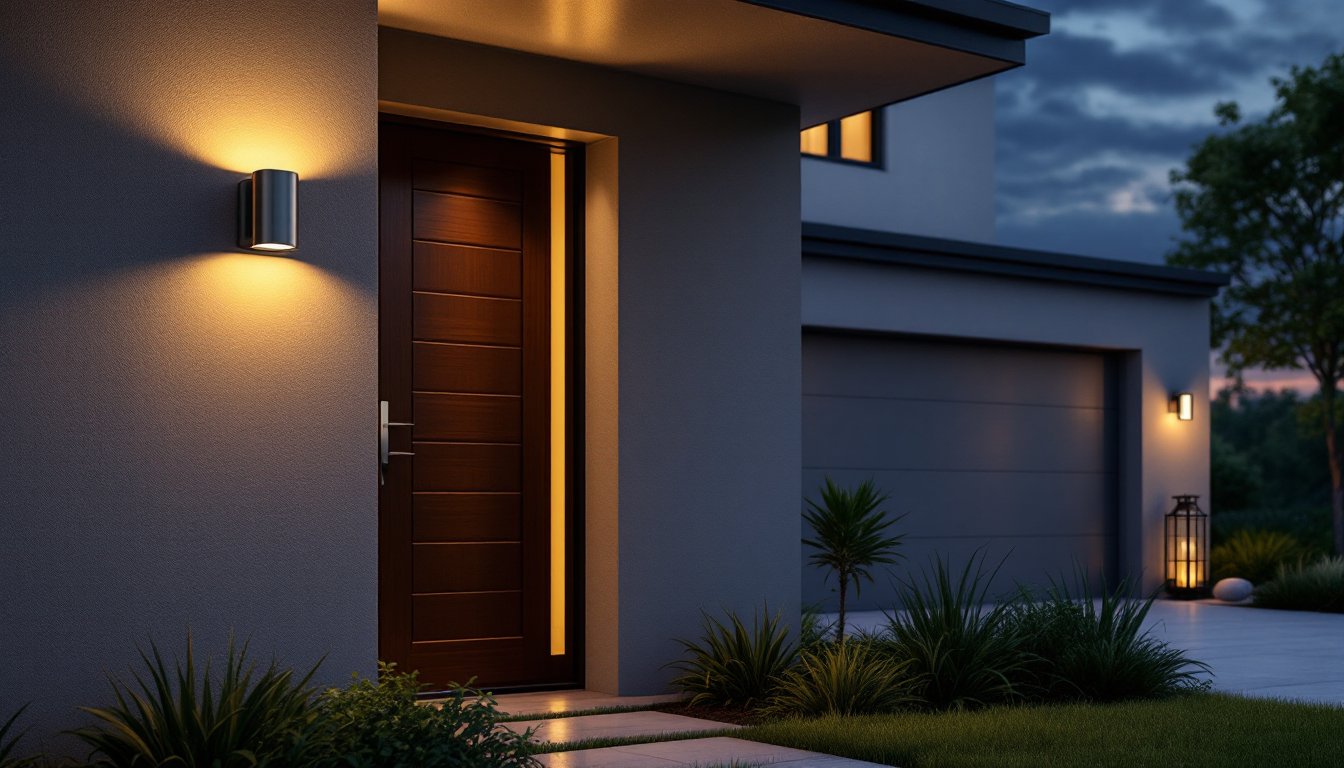
Outdoor fixtures come in several categories, each serving a distinct purpose. Landscape lights are low-profile spotlights that graze walls, trees, or shrubs with angled light, great for drama and depth. Flood lights cast broad illumination over large areas like backyards or building facades: they’re bright but need shielding to avoid light spill onto neighbors’ properties. Post lights sit atop 4×4 posts or deck rails and provide ambient light for entertaining spaces. String lights (Edison bulbs or fairy lights) add festive, atmospheric touch, perfect for patios, though they don’t deliver much functional lighting. Wall-mounted sconces frame entryways and work well beside doors or along pergolas.
Pathway And Accent Lights
Pathway lights are short (usually 12–18 inches tall), spike-mounted fixtures that mark walkways, driveways, or garden edges. They use low wattage but add tremendous safety and curb appeal. Solar pathway lights are the easiest for DIYers, no wiring, but they dim in winter and perform poorly in shade. Hardwired or battery-powered versions stay brighter year-round. Accent lights (spotlights on stakes or mounted to structures) emphasize focal points: a prized tree, sculpture, or architectural detail. They’re directional, so aim is crucial. Choose warm white LED bulbs (2700K) for a residential feel, and plan for overlap, multiple layers of light (ambient, task, and accent) feel more balanced than a single bright source.
Choosing The Right Lighting For Your Space
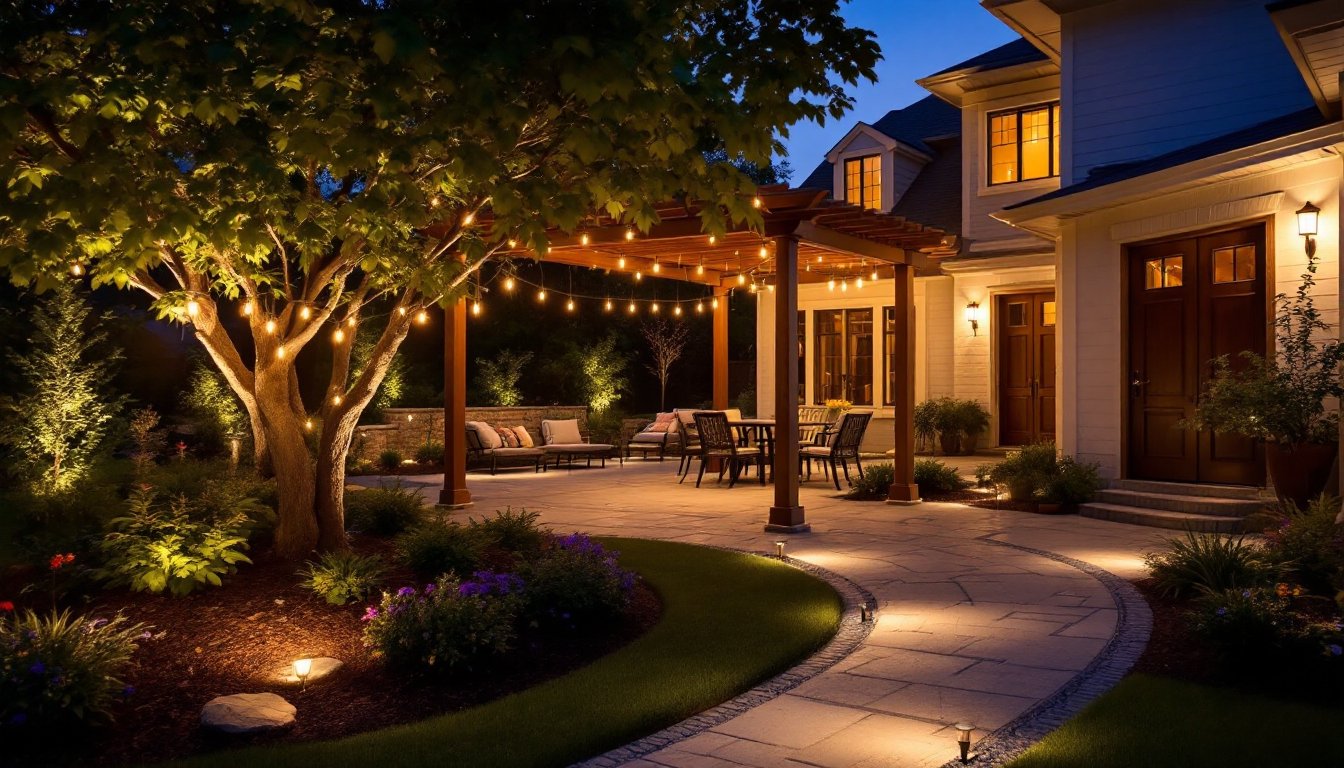
Start by identifying zones. The entry needs clear task lighting, no stumbling onto the porch. Seating areas (patios, decks) benefit from ambient overhead light plus accent pieces that define the edges. Pathways need lower, spaced fixtures to guide the eye without glare. Gardens or landscaping deserve subtle spotlighting to highlight texture and color. Backyards for entertaining often work best with a combination: string lights overhead for ambiance, post lights for general illumination, and accent lighting on plants or structures for depth.
Consider brightness carefully. Overly bright outdoor lighting creates harsh shadows and wastes energy. The Illuminating Engineering Society recommends footcandles (a unit of illumination) ranging from 0.5–1.0 for ambient garden light to 3–5 for patios and 5–10 for entryways. Don’t guess, use a light meter app or walk the space at dusk to see what feels right. Factor in reflective surfaces: light-colored hardscape, water features, and house siding bounce light around and multiply brightness. A warm, layered approach beats one bright spotlight every time. Also account for seasonal changes, deciduous trees lose leaves in fall, changing how light filters through the yard. Plan fixtures so they perform well year-round.
Installation And Maintenance Tips
Low-voltage and solar installations are DIY-friendly. For low-voltage systems, lay out the cable path (mark it with spray paint first), bury the cable 6–8 inches deep to avoid nicks from garden tools, and follow manufacturer specs for run lengths, voltage drop is real over distance. Use outdoor-rated wire connectors and seal them with silicone to prevent corrosion. For solar lights, place them where they’ll get 6+ hours of direct sun daily: shade kills their performance. Clean solar panels seasonally, dirt reduces charging efficiency.
Hardwired 120V systems require a licensed electrician in most jurisdictions. If doing the legwork yourself, digging trenches, running conduit, ensure all wiring is in UF cable (underground feeder) rated for direct burial, and GFCI outlets are standard for outdoor circuits per the National Electrical Code (NEC). Always call before digging: locate.com marks utilities for free.
Maintenance is straightforward. LED bulbs last 25,000–50,000 hours, so replacements are rare. Check fixtures after winter for debris or water intrusion, especially around connections. Repaint or seal fixture housing every few years if exposed to harsh weather. Replace solar panels if they yellow or crack, they’re cheap and easy to swap. Ground fixtures firmly: wind and frost heave can loosen stakes and posts. Test outlets seasonally and replace corroded outlets or plugs immediately.
Energy-Efficient Outdoor Lighting Solutions
LED technology has revolutionized outdoor lighting. LEDs use 80% less energy than incandescent bulbs, generate minimal heat, and last 25–50 times longer. For outdoor use, choose damp-rated or wet-rated LED fixtures depending on exposure, check the IP rating (IP65 is solid for most yard applications). Color rendering index (CRI) matters for accent lighting: a CRI of 90+ shows natural colors on plants and stonework, while 70+ is adequate for general illumination.
Solar lights are energy-free but trade performance for convenience. They’re ideal for decorative string lights or pathway marking where brightness isn’t critical. Hybrid systems, solar with battery backup or hardwired systems with motion sensors, strike a balance. Smart outdoor lighting (WiFi-connected bulbs and controllers) lets homeowners dim, schedule, and color-shift light from a phone. Overkill for basic patio lighting, but perfect for creative outdoor events or security scenarios.
Motion sensors cut energy use dramatically on security lights. Pair a sensor with a dusk-to-dawn photocell so lights only run after sunset and only when motion is detected. Timers work too, but they’re rigid and waste power on empty patios. For continuous ambient lighting on a budget, low-wattage LED string lights (5–10W per strand) deliver charm without monthly shock from the electric bill. Calculate rough costs: a 10W LED fixture running 12 hours daily costs roughly $1.50–$2 per month in electricity, versus $8–$10 for an equivalent 60W incandescent, savings that add up.
Conclusion
A well-designed outdoor lighting plan combines function, safety, and beauty without breaking the budget or the electric meter. Start with a clear purpose, visibility, ambiance, security, then layer fixture types strategically. Choose LED for efficiency, respect local codes, and don’t hesitate to hire a licensed electrician for hardwired work. Test your layout at dusk before finalizing anything. The best outdoor lighting feels natural, highlights what matters, and disappears into the background when it’s done right.